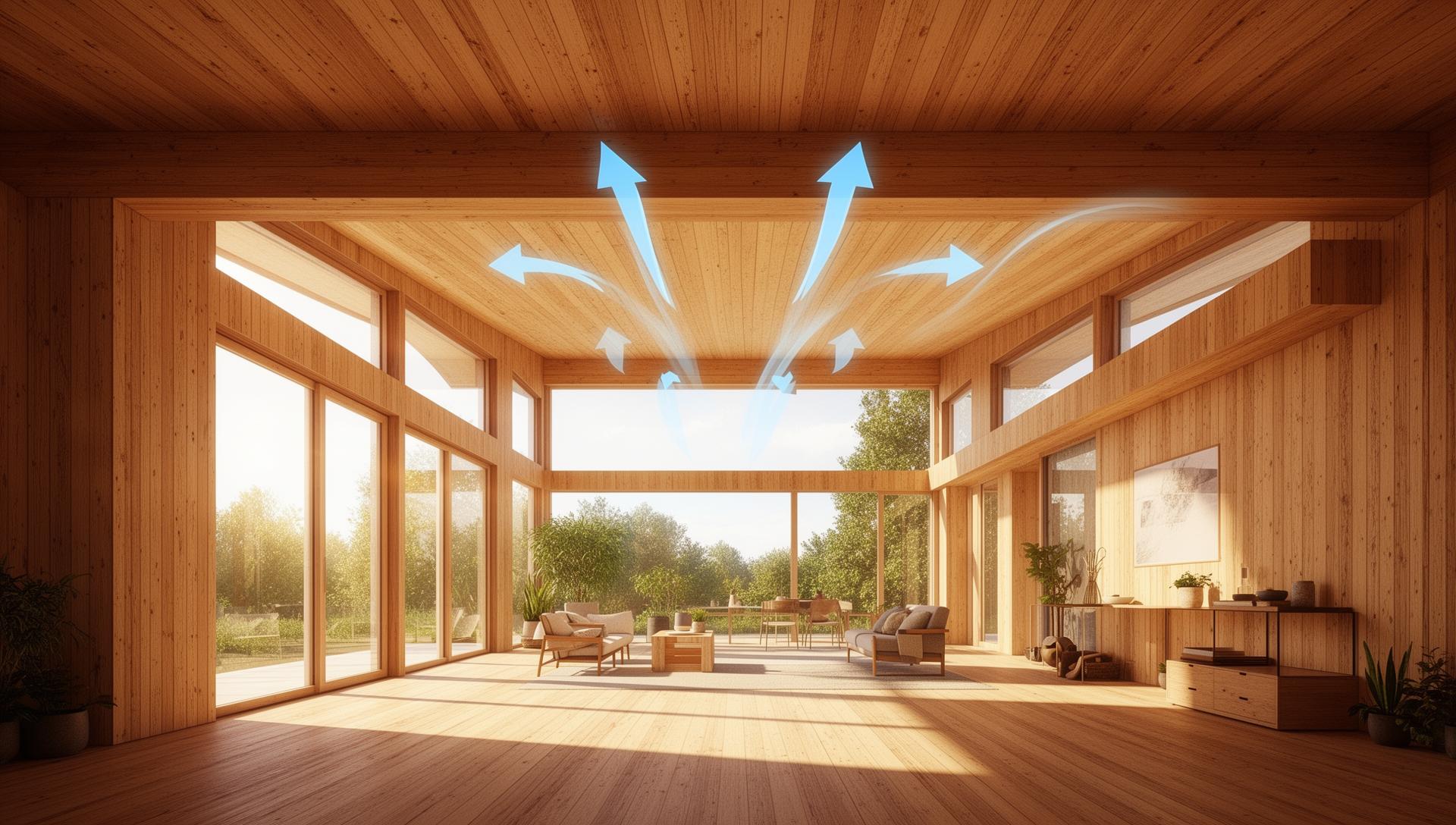
Design technology
for a changing world
The built environment shapes our future. The tools that shape it must evolve with equal responsibility.
Our position
At Gendo, environmental responsibility starts with how we build our platform. We prioritise cloud infrastructure powered by 100% renewable energy—not as a conclusion, but as a foundation.
As a growing company, we continuously measure and adapt our energy usage as scale increases. We are explicit about what we know, transparent about what we don't, and committed to improving both.
We see sustainability as a dual responsibility: enabling better building design outcomes while holding ourselves accountable for the environmental footprint of the tools designers rely on.
Dual responsibility
Environmental impact operates at two scales: the buildings architects design, and the tools they use to design them.
Better building design
Faster iteration means more time exploring low-carbon solutions. When architects can visualise ten options in the time it once took to render one, they can push further on passive strategies, material efficiency, and lifecycle impact.
If AI-empowered design improves building efficiency by just 1%, the resulting savings are ~130,000× greater than the footprint of visualisation.
Tool accountability
We hold ourselves to the same standard we encourage in design: measure, adapt, improve. Every generation on Gendo uses a fraction of the energy required by traditional rendering—but we don't treat efficiency as permission to stop asking harder questions.
Gendo generation: ~0.003 kWh
Traditional 3-hour render: ~1.3 kWh
What we're doing now
Current actions form a foundation. They are not the full answer.
Renewable Infrastructure
Core platform services run on cloud infrastructure committed to 100% renewable energy sourcing.
AWS Climate Pledge: 100% renewable by 2025
Efficiency by Design
Low resolution by default, upscaling only when needed. This isn't just faster—it significantly reduces compute load.
Doubling resolution increases energy 1.3–4.7×
Continuous Measurement
We actively monitor energy consumption across our infrastructure and are building toward per-generation tracking.
In development: user-facing energy reporting
The work ahead
We are explicit about what remains incomplete. GPU compute for image generation does not yet have consistent environmental reporting from all providers. Embodied carbon from hardware manufacturing and data centre construction is difficult to attribute precisely.
We don't claim to have solved these problems. We claim to be working on them, openly, as part of how we build this company.
Calculate Your Impact
Compare energy consumption between traditional CGI rendering and Gendo AI generation.
View our full Environmental StatementEnergy Comparison
10 total images × 1 iteration
Both values shown in kWh for direct comparison
For 10 visualisations, Gendo uses 350× less energy than traditional CGI—saving 10.5 kWh.
Download Your Results
Save this summary to share with your team or include in internal discussions.

Enter your company name
to personalise your results card
10
Images
350×
More Efficient
10.5
kWh Saved
Traditional
10.5 kWh
Gendo AI
0.0 kWh
gendo.ai/environmental
Aug 2026
Enter your company name above to enable download
These figures are indicative. Real-world values vary based on hardware, render complexity, and grid carbon intensity.
Design for lower impact
Every design decision shapes environmental outcomes. Gendo helps architects explore more options, faster—so sustainable choices don't have to be sacrificed for speed.
Passive Solar Design
Orientation, glazing ratios, and overhangs reduce mechanical heating and cooling by up to 70%.
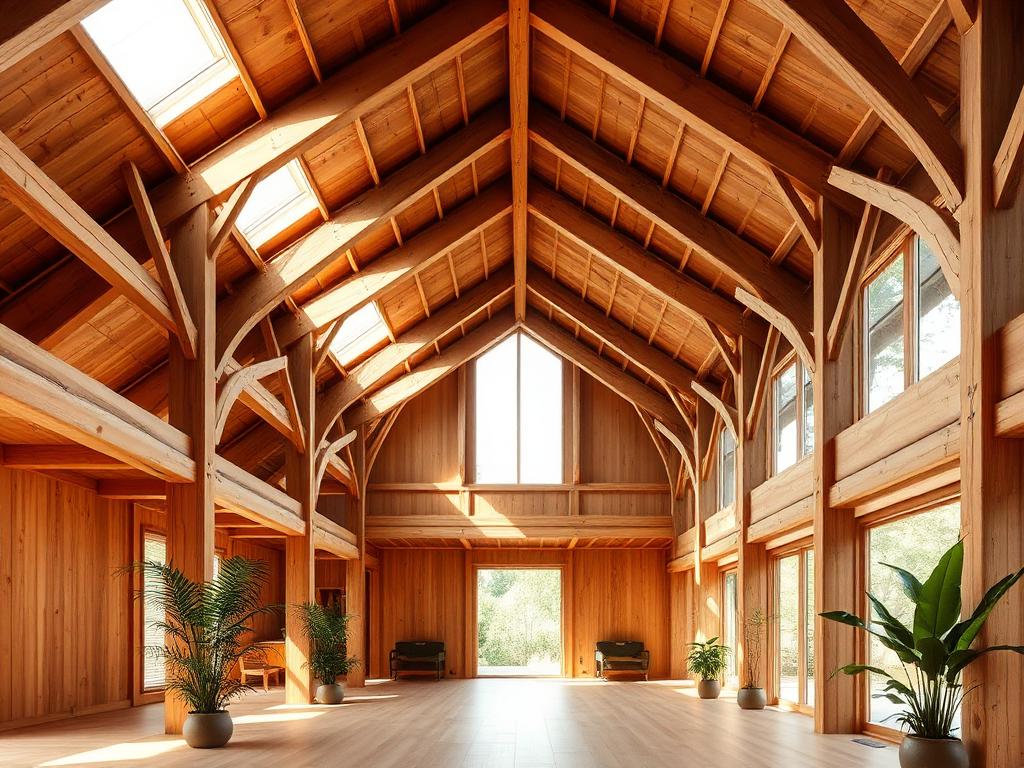
Low-Carbon Materials
Mass timber sequesters carbon while reducing embodied emissions compared to steel and concrete.
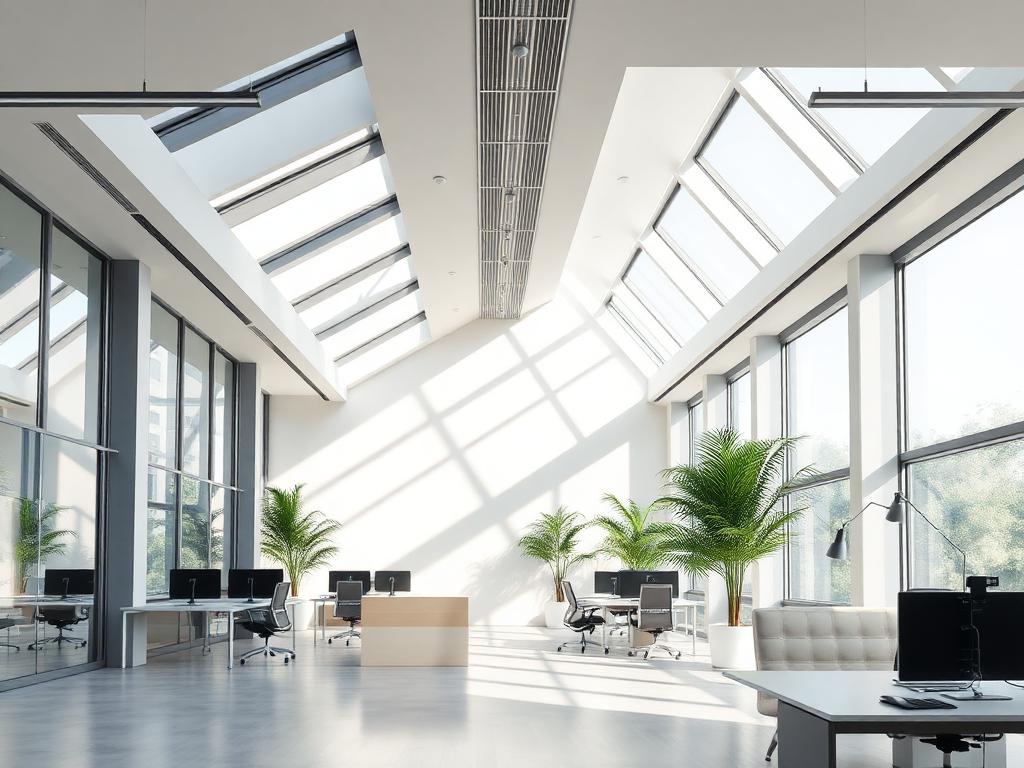
Natural Daylighting
Strategic fenestration cuts artificial lighting loads by 50–75% during occupied hours.
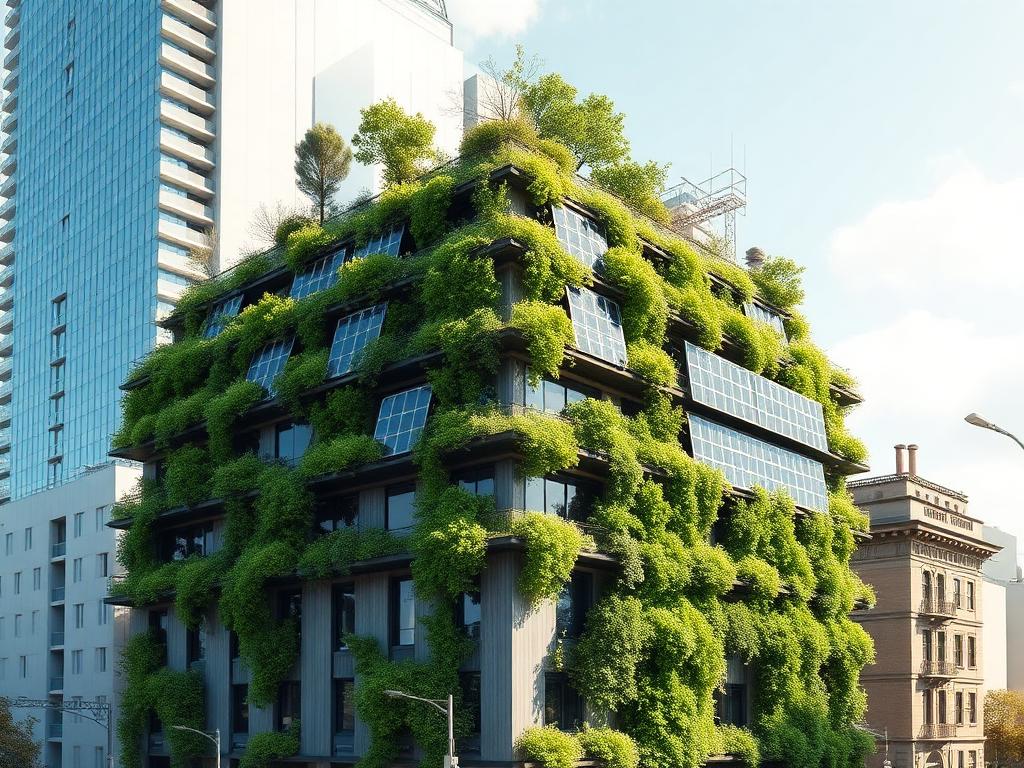
Living Systems
Green roofs and facades reduce urban heat island effect and manage stormwater naturally.
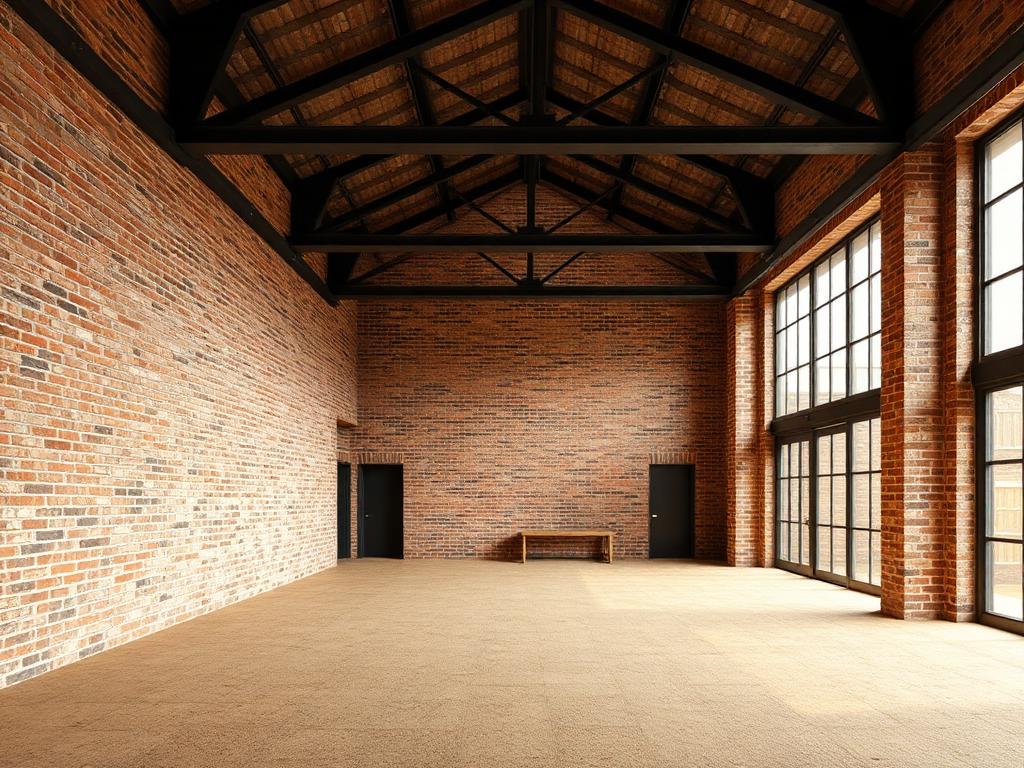
Reclaimed Materials
Salvaged brick, steel, and timber eliminate extraction impacts and embodied transport emissions.
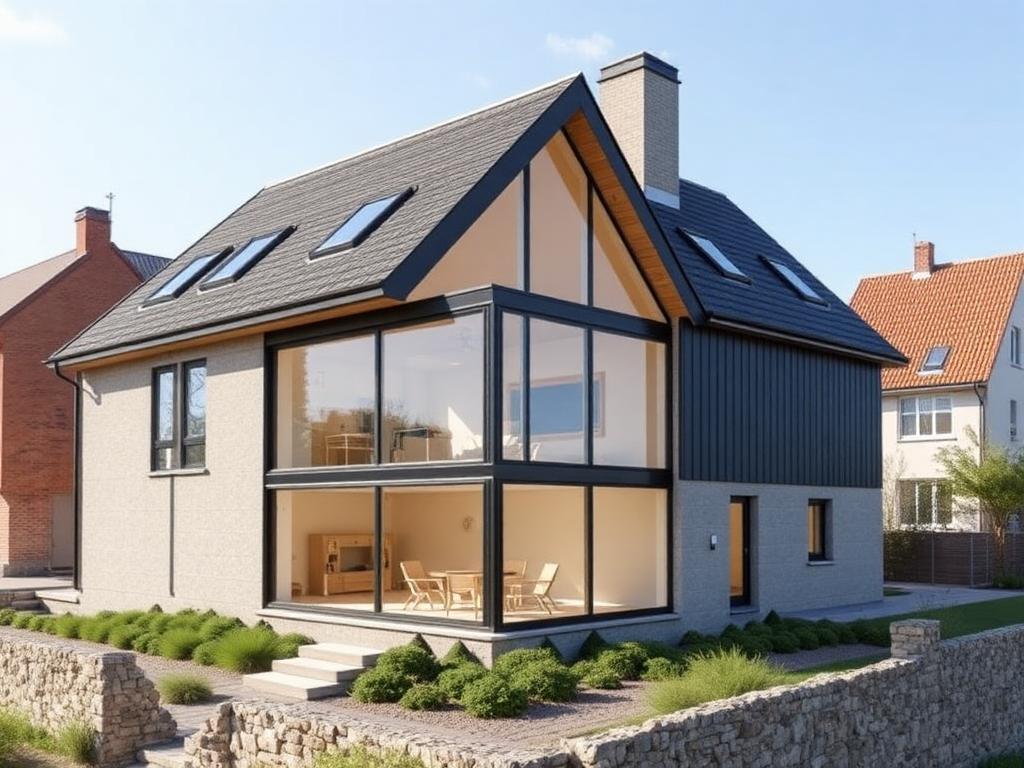
High-Performance Envelope
Super-insulated walls and triple glazing can reduce heating demand by 90%.
Technology in service of better buildings
We believe AI will increasingly support the full design process—optimising form, material choice, and building systems for energy efficiency. Simulating lifecycle carbon impacts in real-time. Enabling buildings that consume less during operation with lower embodied carbon.
The long-term vision is clear: the fractionally small energy cost of AI-assisted design should be repaid many times over in real-world environmental gains.
This is not a solved problem. It's an ongoing responsibility. We're building Gendo with that understanding at its core.
References
- [1]AWS Climate Pledge – 100% Renewable Energy Commitment by 2025
- [2]Columbia Climate School (2023) – AI's Growing Carbon Footprint
- [3]IEA (2024) – Data Centres and Data Transmission Networks
- [4]Guo, Y. et al. (2025) – Energy Footprints of Image Generation Models
- [5]RIBA (2021) – 2030 Climate Challenge Version 2