Bringing Rendering In-House at a One-Person Design Studio
How Celestino Sanna replaced external 3D and rendering collaborators with Gendo, cutting time and cost while presenting Italian furniture manufacturers a far wider range of product imagery.
In-house
No external 3D collaborators
Wider
Range of product imagery
Faster
Response on new offers

celestino sanna design studio
Location
Italy
Discipline
Product, process and visual product design
Clients
Small and medium manufacturing firms
Deliverables
Catalogues, product presentation and simulation
celestino sanna design studio is an independent practice working on behalf of small and medium-sized private manufacturing firms in Italy. The work spans product design, process design and visual product design, including catalogues, product presentation and simulation.
Celestino runs the studio on his own, engaging freelance collaborators where needed, and works across manual drawing, 3D modelling and Adobe software. On average the studio handles one to three projects a month.
"I work on projects on behalf of small to medium sized private manufacturing firms, dealing with product design, process design and visual product design."
— Celestino Sanna
Rendering that had to be bought in
As a one-person studio, every 3D creation and render meant bringing in an external collaborator. That priced experimentation out of most projects and made turnaround dependent on someone else's schedule.
It also limited what could be offered. Presenting a manufacturer with several directions was expensive, so proposals tended to arrive narrower than the design work behind them.
Free-hand drawings elaborated directly into imagery
Gendo came to the studio through a collaborator using it in an architectural practice, at a point where Celestino was already looking for an effective AI tool. Its handling of free-hand drawings was what made it stick.
"What I enjoyed most to start with was its capacity for elaborating my free-hand drawings."
Gendo reached the studio through a collaborator using it in an architectural practice.
From free-hand drawing to manufacturer-ready imagery
Celestino's process starts on paper. Free-hand drawing remains the fastest way to work through a form, and the studio's tools sit around that: 3D modelling where geometry needs resolving, Adobe software for layout and finishing.
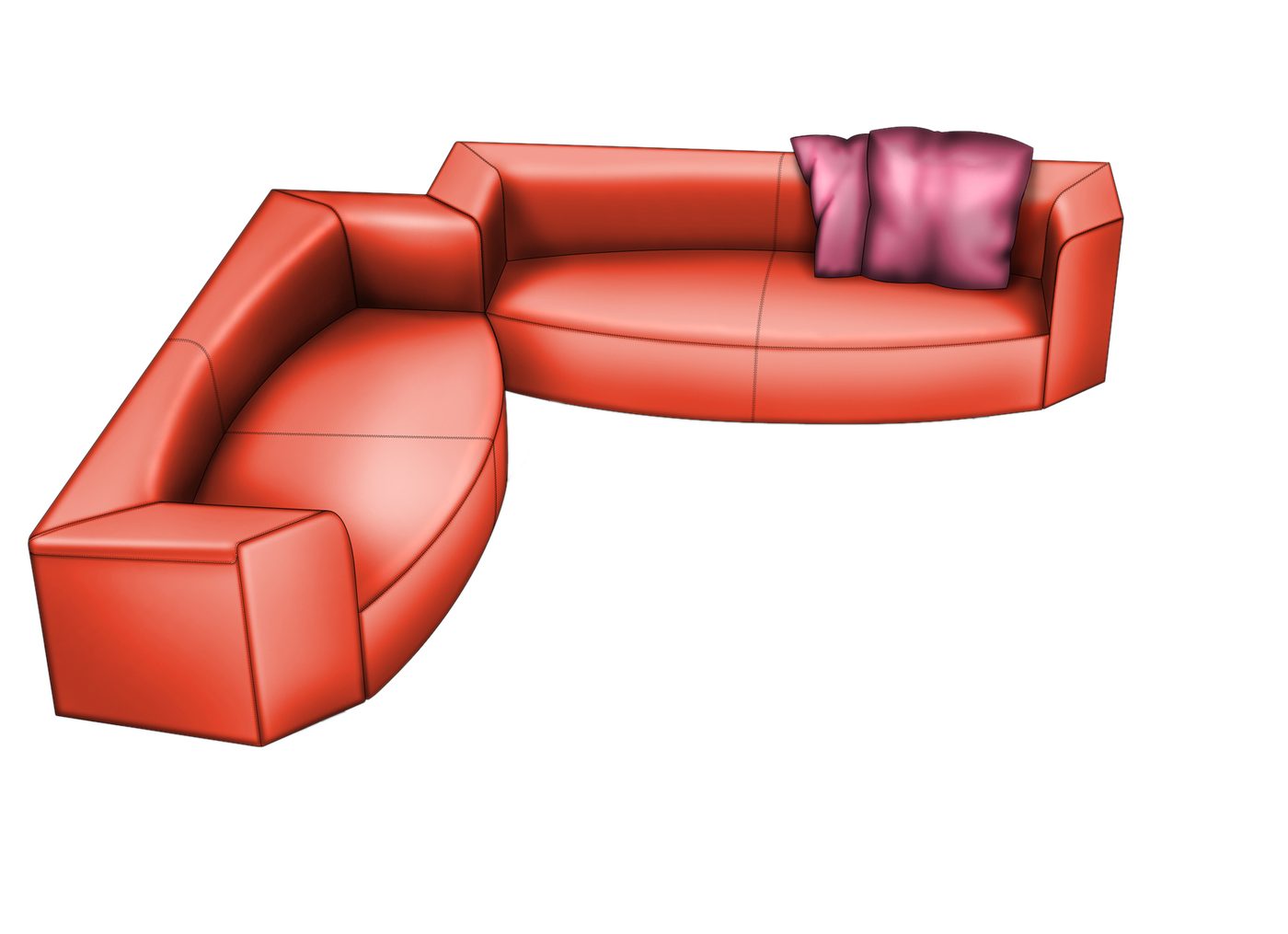
What changed is the step in between. Gendo takes a drawing and elaborates it into presentable imagery, so a sketch can become something a manufacturer can respond to without a modelling and rendering cycle first.
The external collaborator step removed
Before Gendo, any 3D creation or rendering meant commissioning external collaborators. That added cost, added coordination, and split ownership of the visual work away from the designer holding the brief.
Handling those stages inside the studio cuts both time and cost, and keeps the whole process under one pair of eyes from start to finish. Time previously spent managing collaborators now goes into the creative work itself.
"Before using Gendo I had to resort to external collaborators to get 3D creations and rendering. Now, by dealing with these aspects on my own, I can cut down time and costs while offering more options independently and remaining competitive in the marketplace."
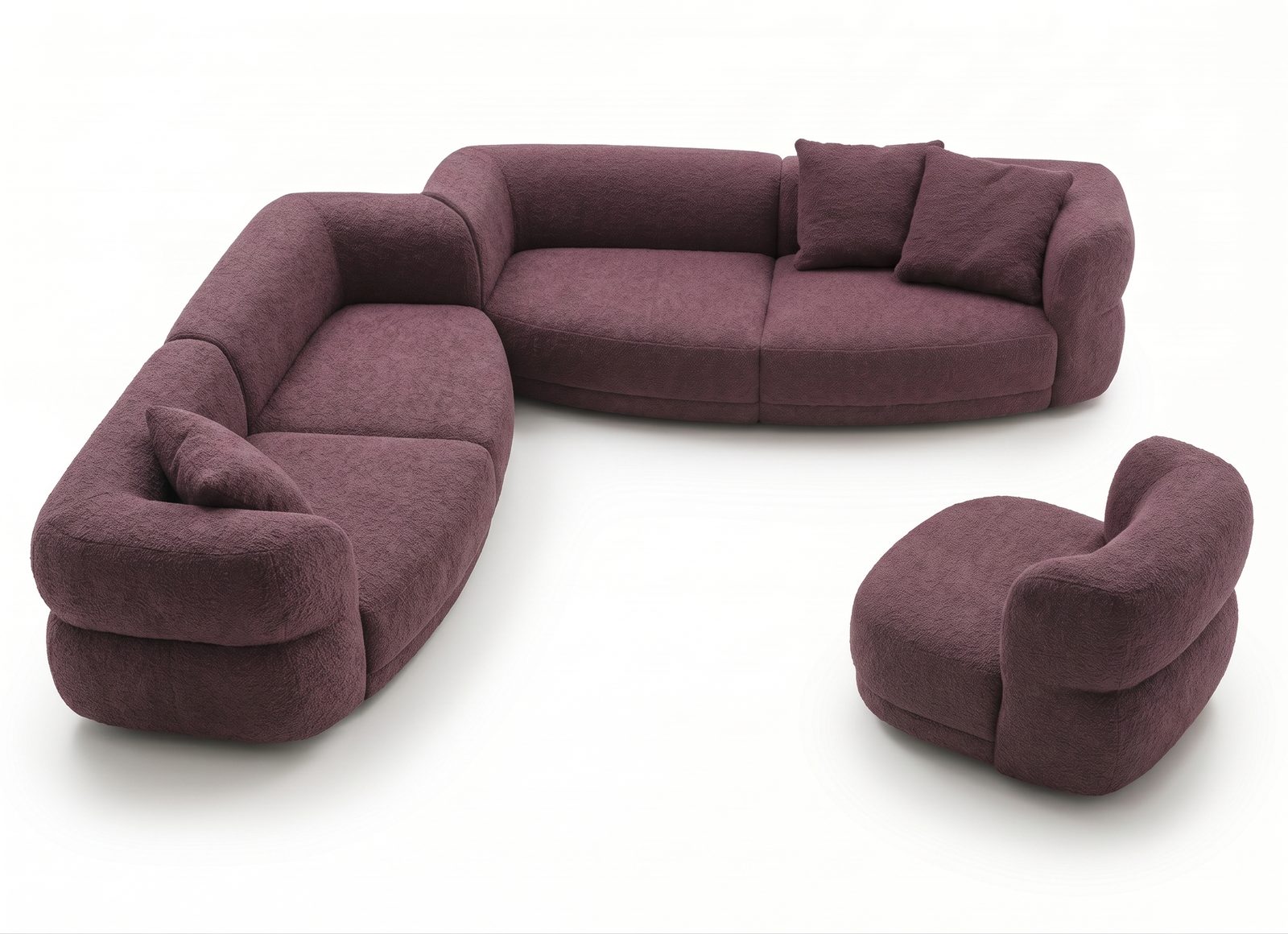
A product catalogue with a wider range of imagery
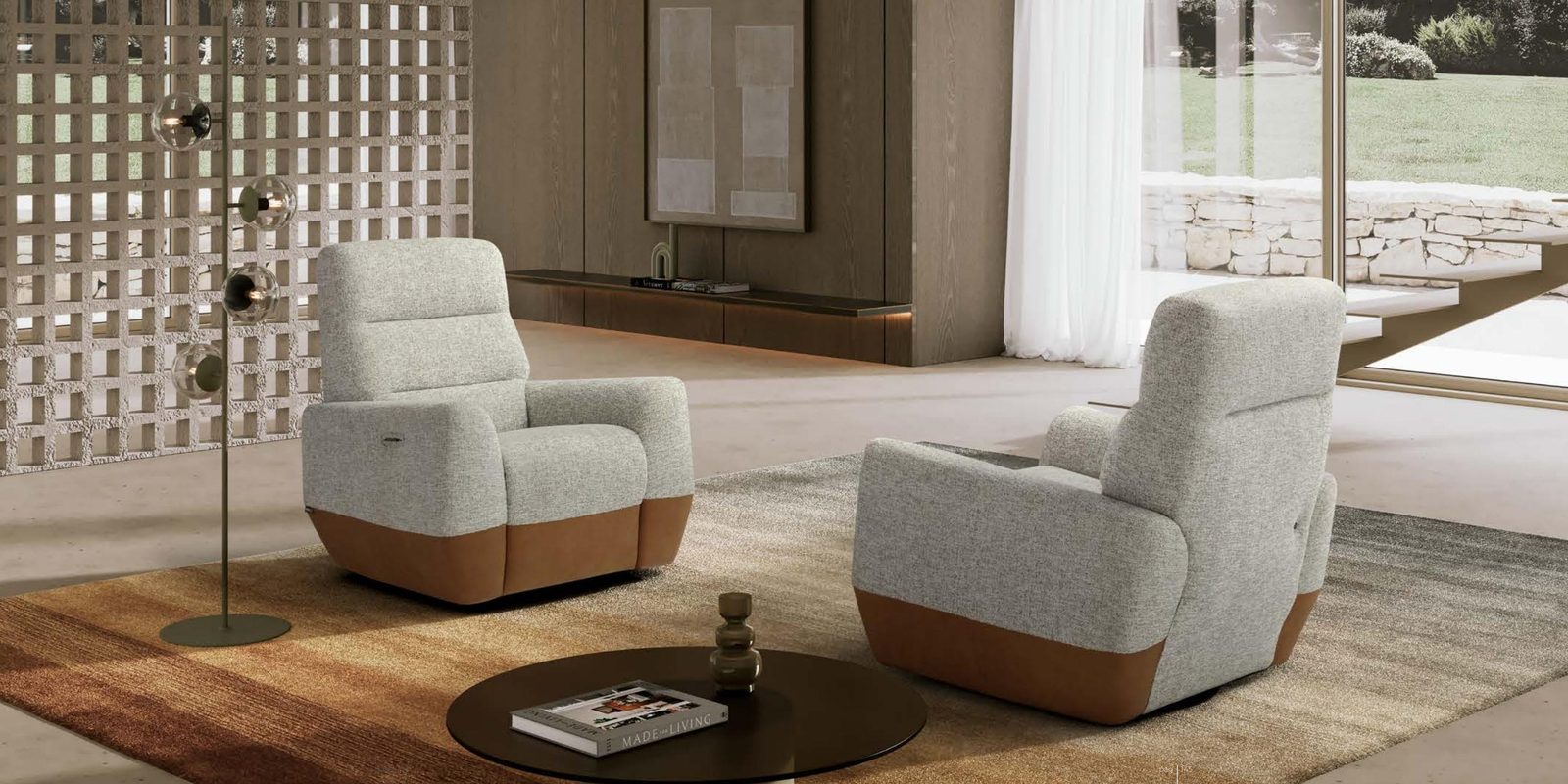
A recent catalogue project for a manufacturer of recliners and motorised sanitary armchairs put the change to work. Gendo let Celestino widen the range of imagery and show the products in more positions than the shoot and modelling budget would previously have allowed.
Presentation itself has changed with it. Scenes can be varied deliberately, introducing different people or animals into a setting depending on what the client needs the image to say.
"I recently worked on a product catalogue presentation for a recliners and motorised sanitary armchairs company, and I was able to enrich and widen the range of imagery and positions thanks to Gendo."
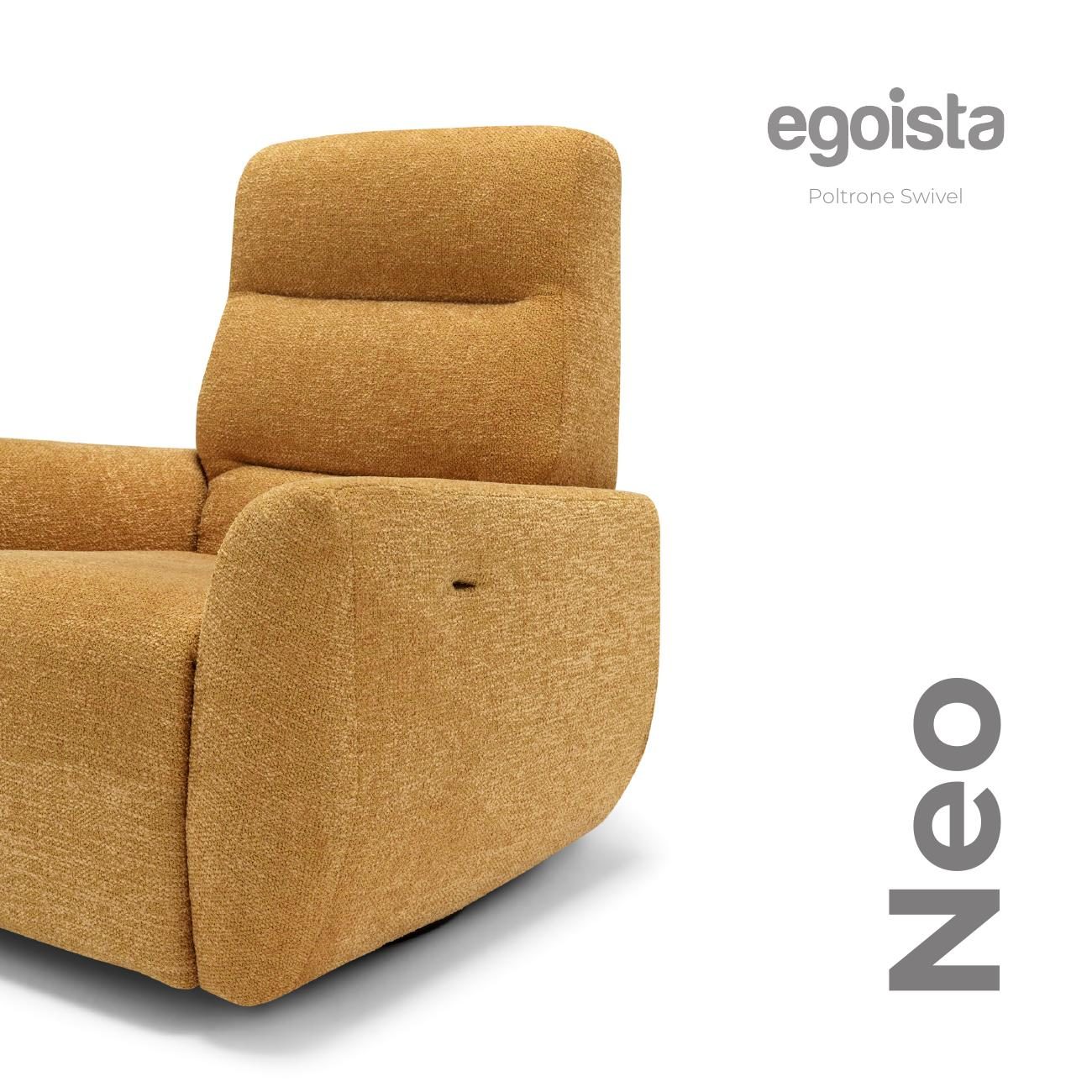
The Impact: More responsive, more competitive, fully in-house
The gain is control as much as speed. Owning the visual stages end to end means faster offers, lower project cost, and more options on the table for the manufacturer.
Key Outcomes
3D creation and rendering handled inside the studio
Coordination overhead removed from the visual stages
Greater quantity and speed when quoting new work
More positions, settings and variations per product
A positive response, and more to show
Clients now receive a broader set of product imagery, with variations tailored to how each product will be presented rather than a single fixed treatment.
For a studio competing against larger suppliers, that range is part of the offer. It arrives faster, costs less to produce, and stays under the designer's control throughout.
"I would recommend it as an intuitive tool that even people who are not familiar with AI can use, enabling a range of applications and real time saving."
Celestino Sanna
Designer, celestino sanna design studio