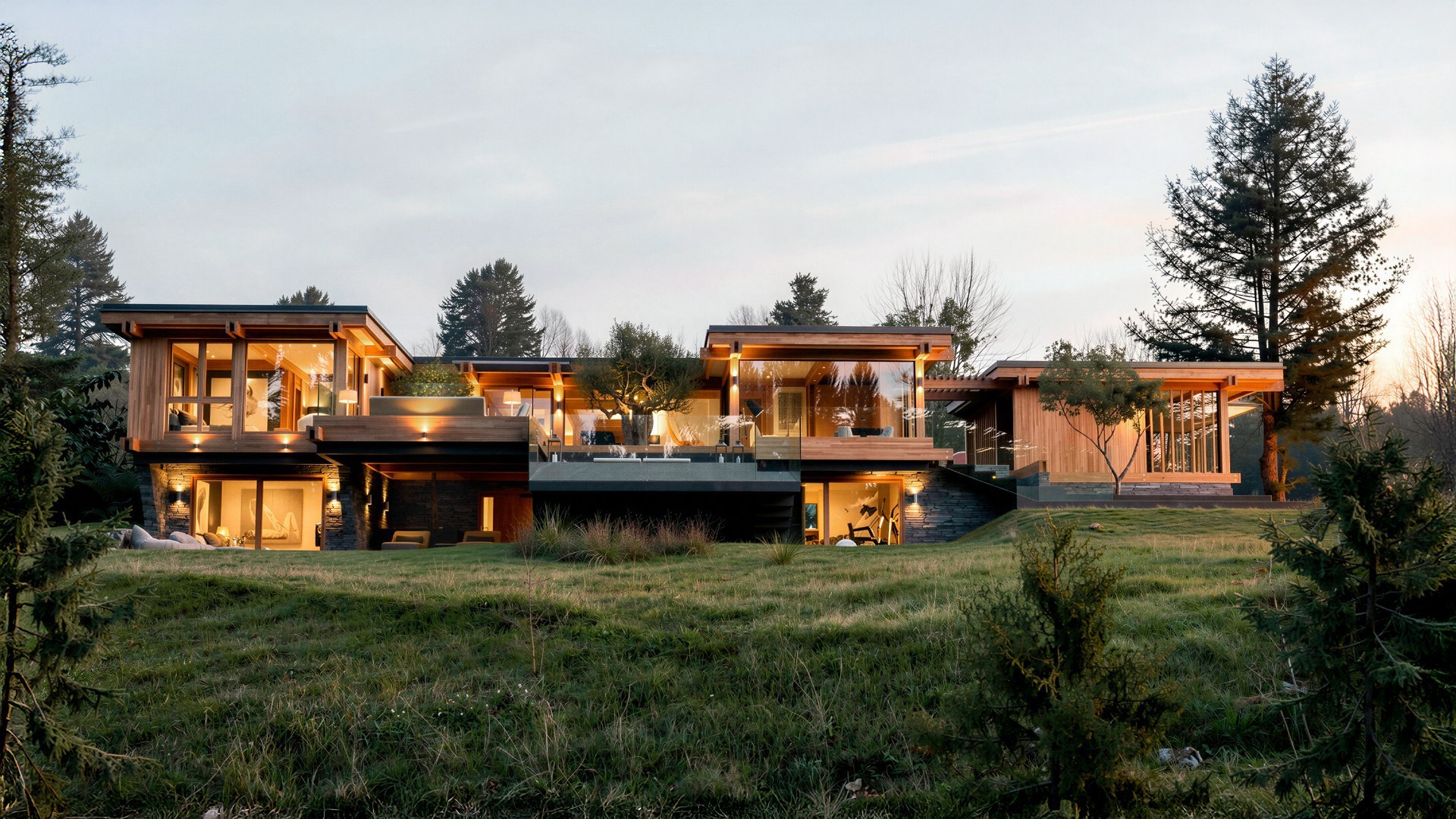
Convincing the Client in the First Phase
How a Dutch design-and-build studio for office interiors uses Gendo to make early-stage renders realistic enough to carry a decision.
Design & build
Office interiors, end to end
First phase
Where the studio applies it
Higher realism
From basic renders


Ditt
Team Size
Design-and-build studio
Studio
Design and build
Sector
Interior office design
Location
Netherlands
Ditt is a design-and-build studio for interior office design, working on office buildings and fit-outs for specific companies. Because it both designs and delivers, the image a client agrees to is the thing the studio then has to build.
That makes early realism valuable in a way it is not for a practice that hands drawings on.
"Use it in the first phase to convince your client."
— Karlo, Design and Consultancy Lead

Meet Karlo
Design and Consultancy Lead, Ditt
"Use it in the first phase to convince your client."
The renders never looked real
The studio's assessment of its previous output is blunt: the renders never looked real. Clients were not necessarily aware that a better standard existed, so the work still passed — but internally it was a persistent irritation.
Sub-par imagery in the first phase is a slow way to reach agreement, because the client is being asked to believe a space they cannot quite see.
Realism early, from what already exists
The studio brings its existing renders onto the canvas and lifts them, rather than rebuilding scenes for quality. The interface is straightforward enough that the step sits inside the normal first-phase rhythm.
"The ease of the interface, and how realistic a bad render could turn out."
Karlo, Design and Consultancy Lead
From first sketch to a complete design, faster
The influence on the design process itself is about pace: the distance between a first sketch and something that reads as a complete proposal has shortened.
For a design-and-build studio, arriving at that point earlier means the delivery conversation starts earlier too.
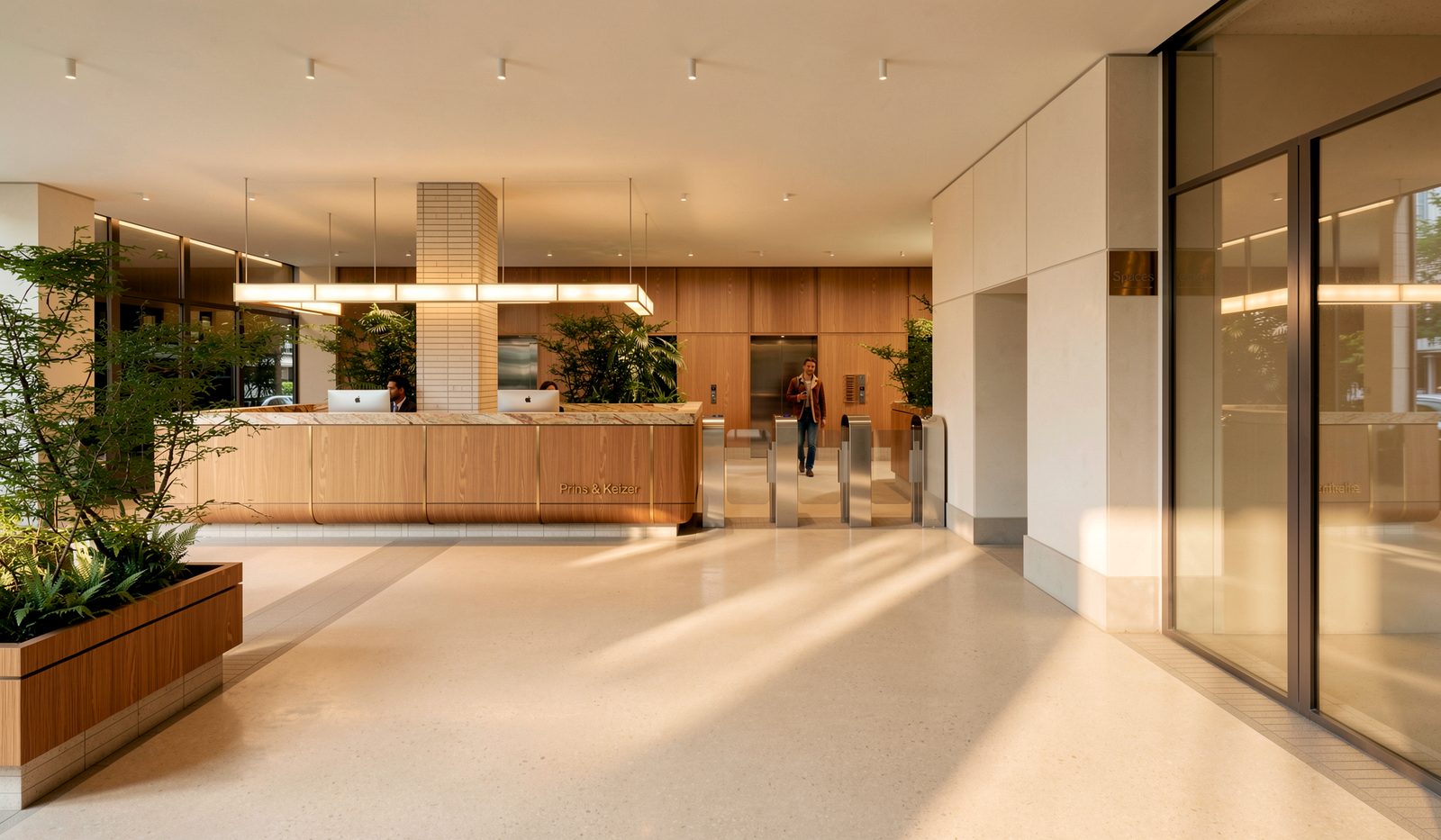
Better outcome, honestly measured
The studio does not claim a time saving. Its position is that the work is better rather than faster, and it says so plainly.
That distinction matters in a first-phase pitch, where the value is in the client's confidence rather than in hours on a timesheet.
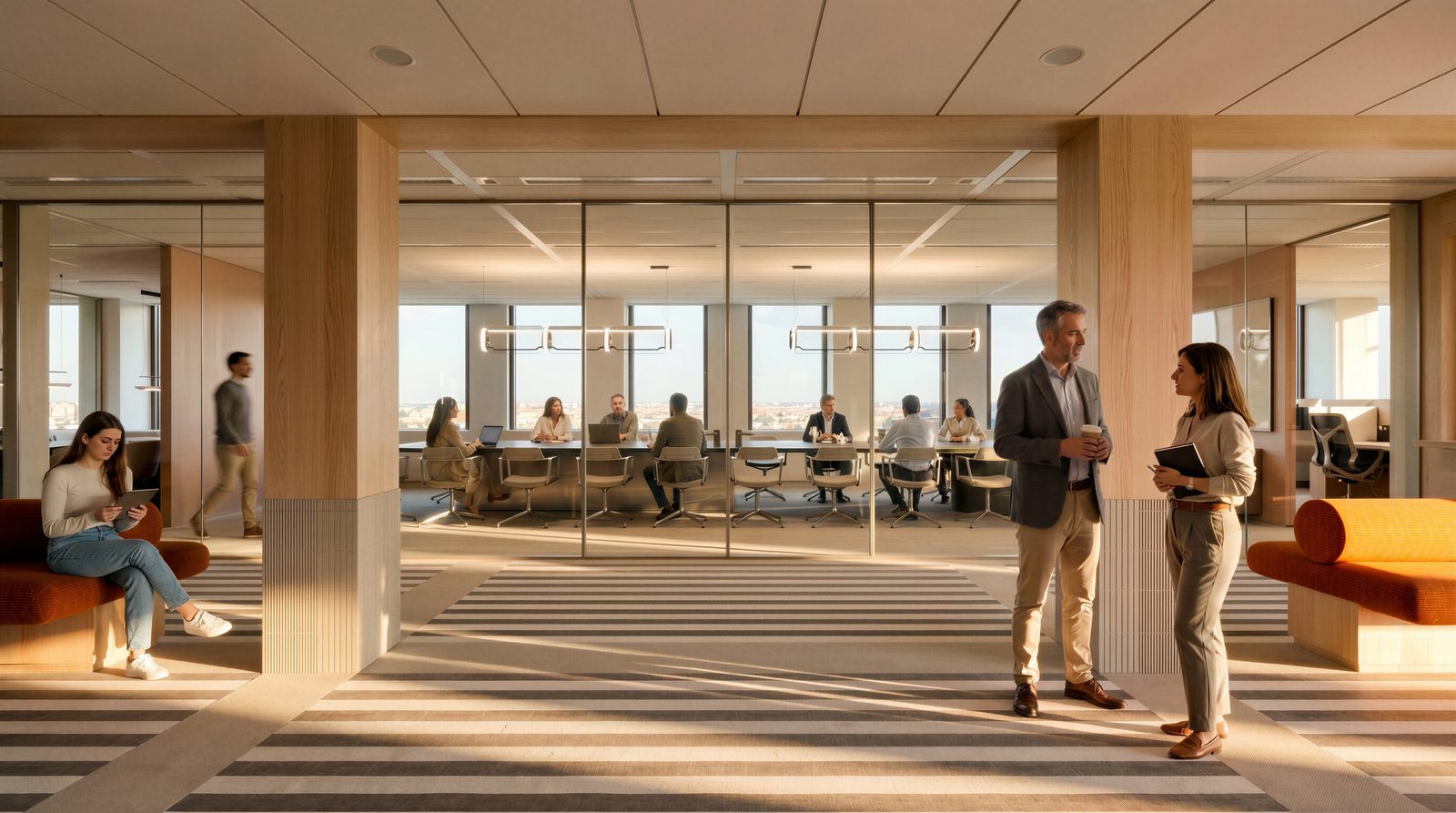
Where the studio still wants tighter control
The team is clear about the limits it works within: keeping a consistent style across a set of renders takes deliberate effort, and features already resolved in a render should stay untouched.
The practical answer has been to apply the tool where realism is the goal, and to keep an eye on consistency across a presentation set.

The Impact: Bad-looking renders into high-end renders
The studio describes the outcome in one line — basic renders becoming high-end ones — applied at the phase where a client is deciding whether to proceed.
Key Outcomes
Existing renders lifted rather than rebuilt
Imagery that carries an early decision
Less distance between concept and proposal
Applied to output the studio already produces
Received well
Client response has been positive, and the studio's own standard has moved with it.
The honest note is that clients were not aware of what was possible before — the pressure to improve came from inside the studio.
"Use it in the first phase to convince your client."
Karlo
Design and Consultancy Lead, Ditt