Twelve-Person Studio Trades Corona Render Queues for Same-Day Options
How KANNT keeps the quality of its 3ds Max and Corona work while exploring visual directions on a large-scale project in a fraction of the time.
12 people
Architecture and visualisation studio
Same day
Multiple visual directions, not one render
Consistent
Base render held without introducing errors

KANNT
Team Size
12 people
Discipline
Architecture, masterplanning and visualisation
Clients
Private developers, architects, design studios
Toolchain
3ds Max, Corona, Photoshop, Gendo
KANNT is a twelve-person architecture and visualisation studio working from masterplanning and architectural concept through to 3D modelling and final presentation imagery.
The studio runs its own projects end to end and also supports other architecture and design practices with visualisation. Clients include private developers, architects and design firms.
"We are a 12-member architecture and visualisation studio working across design development, 3D modelling and high-quality visualisations."
— Erblin Topalli
High quality, at the cost of iteration
KANNT worked in 3ds Max with Corona, and the quality was never the problem. The process was. Complex projects took a long time to render, demanded heavy machine resources, and occasionally brought workstations down.
That cost fell on experimentation first. Producing several visual options within a short window was rarely possible, so the studio had to choose which ideas to develop before it could see them, and client conversations moved at the speed of the render queue.
A base render taken further, not rewritten
Erblin trialled Gendo while looking for a way to make visualisation faster without giving up quality. What convinced him was accuracy: working from a good base render, the output stayed consistent with the original design while still allowing different directions to be explored.
"What stood out most was how accurately Gendo could work with a good-quality base render without introducing too many mistakes."
Small imperfections are corrected in Photoshop, as they always were.
Options in an afternoon rather than a week
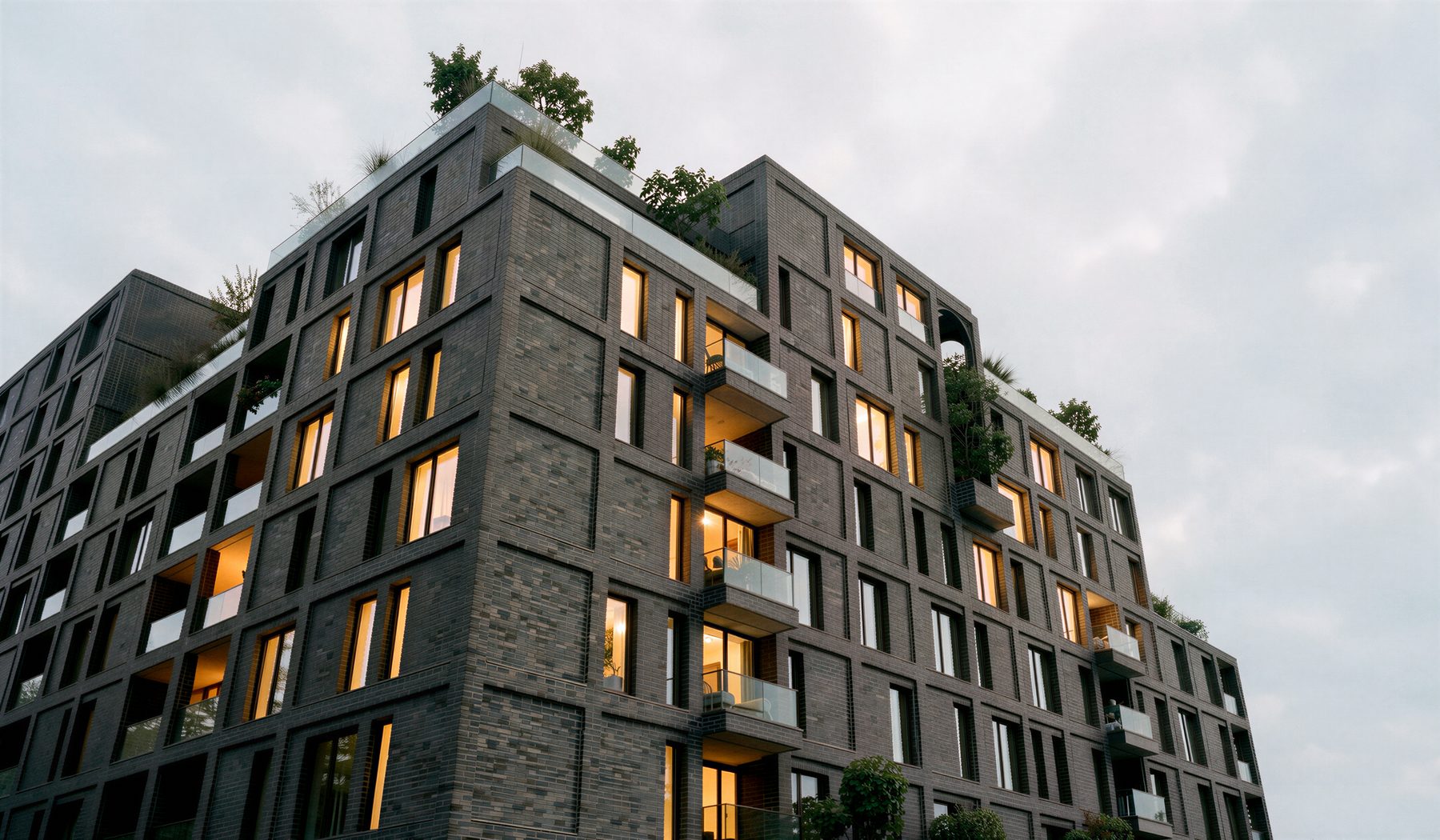
On a large-scale project currently in the studio, Gendo is used extensively at the presentation stage. Preparing and comparing visual directions now happens quickly enough that the comparison actually informs the design decision.
The seasonal treatments proved a stronger draw than expected, with the winter version producing some of the results that most impressed the team during the trial.
"It allows us to explore and prepare different visual directions much faster than our previous workflow."
Realism as a communication tool
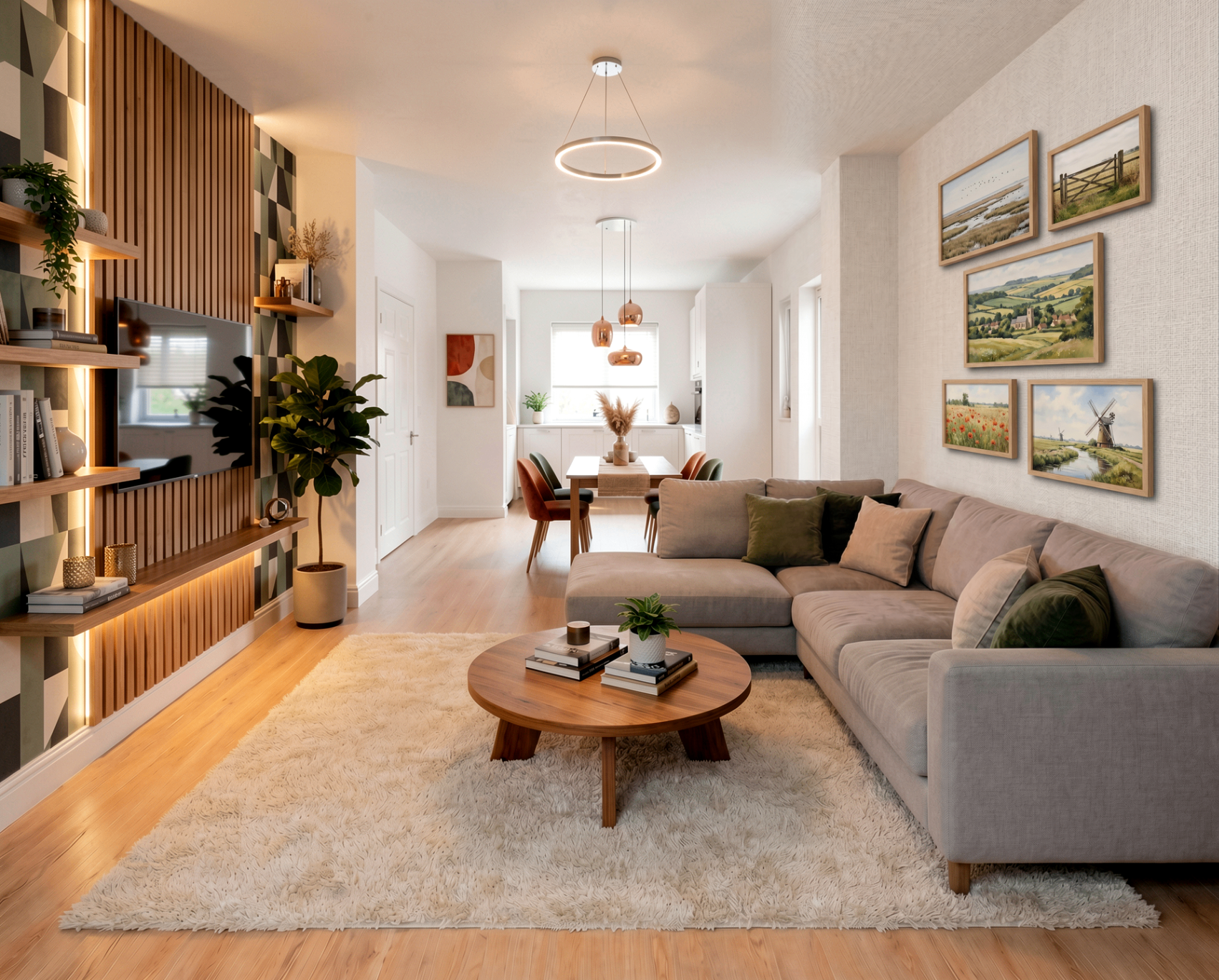
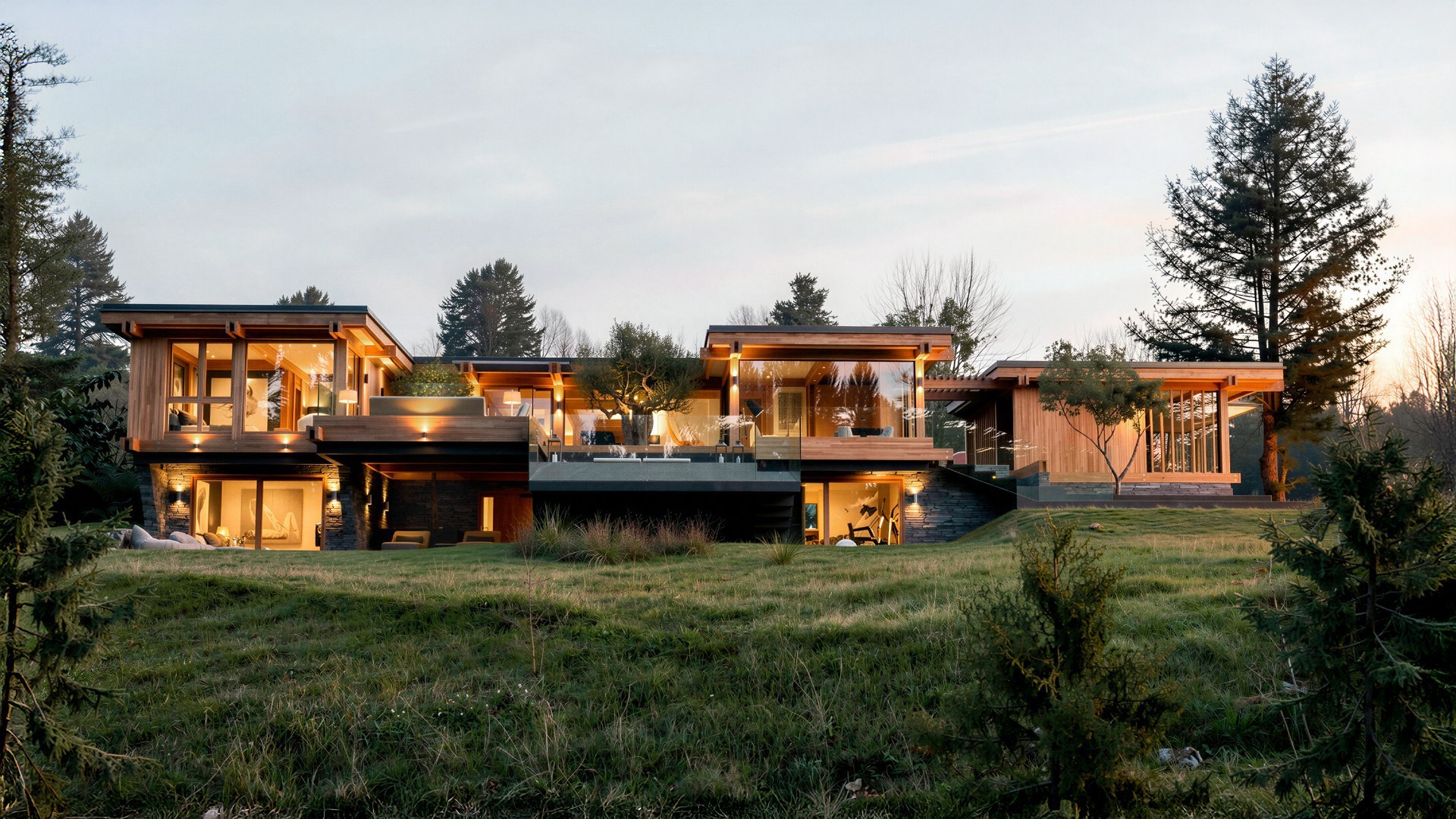
Being able to see a project in a realistic and finished state changes internal decisions as much as client ones. Visual directions can be compared side by side instead of argued in the abstract.
It also gives stakeholders stronger material to respond to, because atmosphere, materials, landscaping and the overall outcome are all legible in the image rather than implied by it.
The Impact: Experimentation back inside the schedule
The studio keeps the standard it built on 3ds Max and Corona, while regaining the ability to test several directions before committing to one.
Key Outcomes
Fewer long Corona passes for presentation imagery
Heavy workloads and crashes taken out of the process
Visual directions compared rather than chosen blind
Output stays consistent with the base render
Internally settled, client review to come
The studio is candid about where it is. The Gendo visuals for its current large-scale project have not yet been presented to the client, so there is no client verdict to report.
Internally the team is satisfied with the quality and confident the realism will make the design easier to communicate when the visuals are sent.
"If something helps you, do not hesitate to help or receive help. Helping is one of the most human things we can do, even if it comes from an AI."
Erblin Topalli
Architect, KANNT