Five Times the Workflow, Without Adding People
How a seven-person South African practice moved from hand sketch to Revit to Twinmotion to Gendo, and stopped accepting poor imagery as the price of a deadline.
5x
Workflow speed reported
7 people
Luxury residential, hospitality, commercial
Every image
Run through Gendo as standard

Nieuw Architects
Team Size
7 people
Studio
7 people
Sectors
Luxury residential, hospitality, commercial
Workflow
Hand sketch to Revit to Twinmotion to Gendo
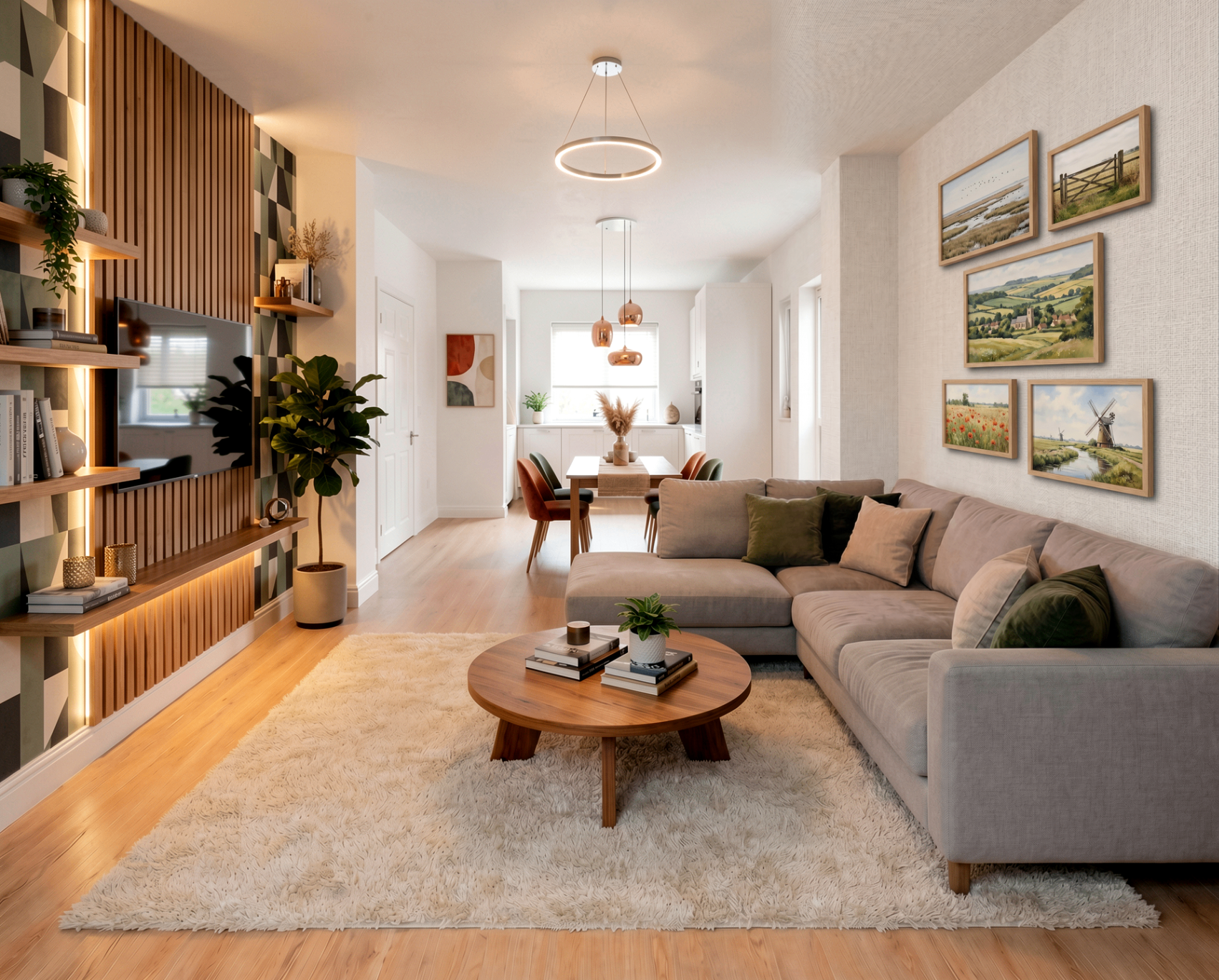
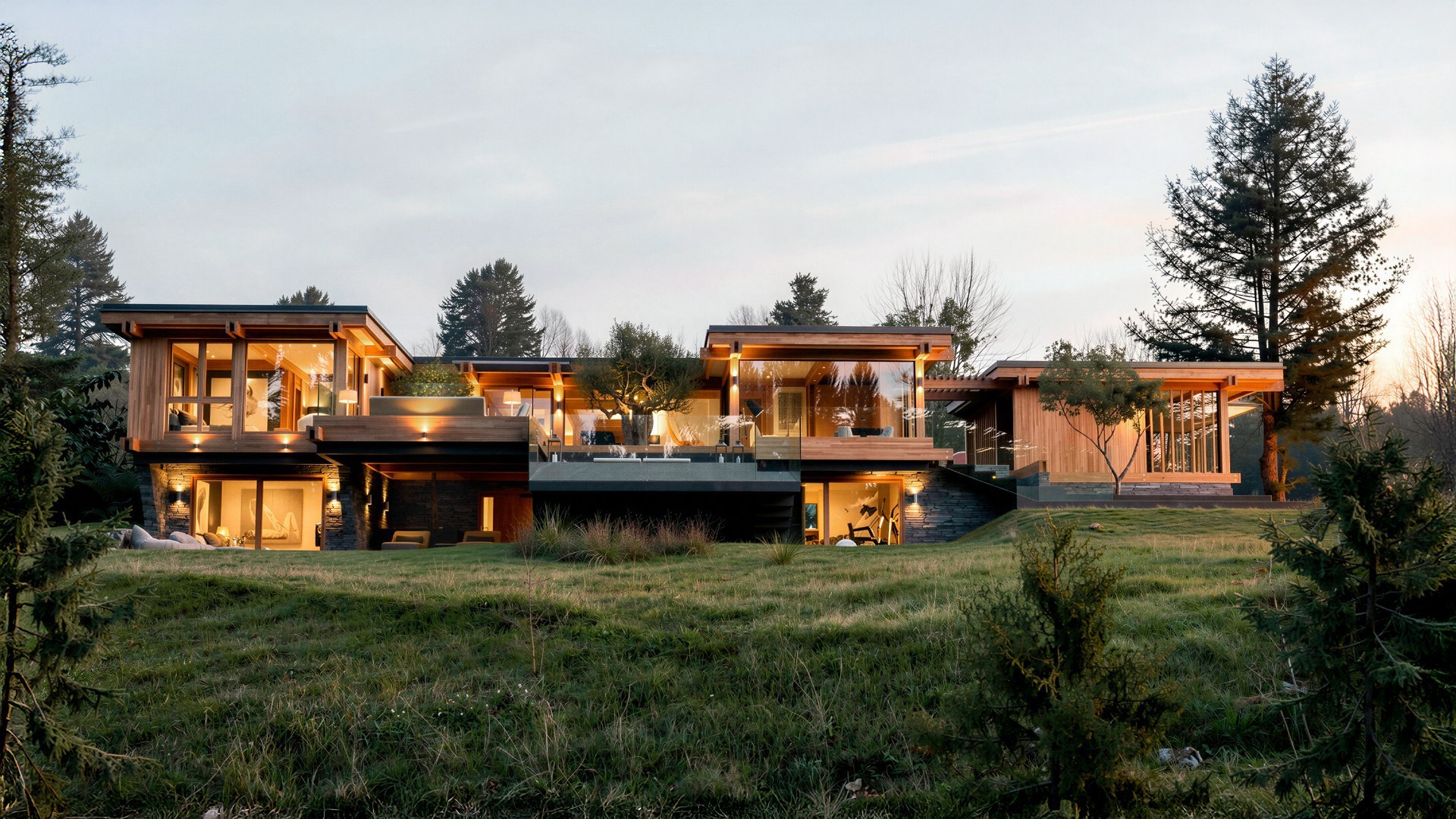
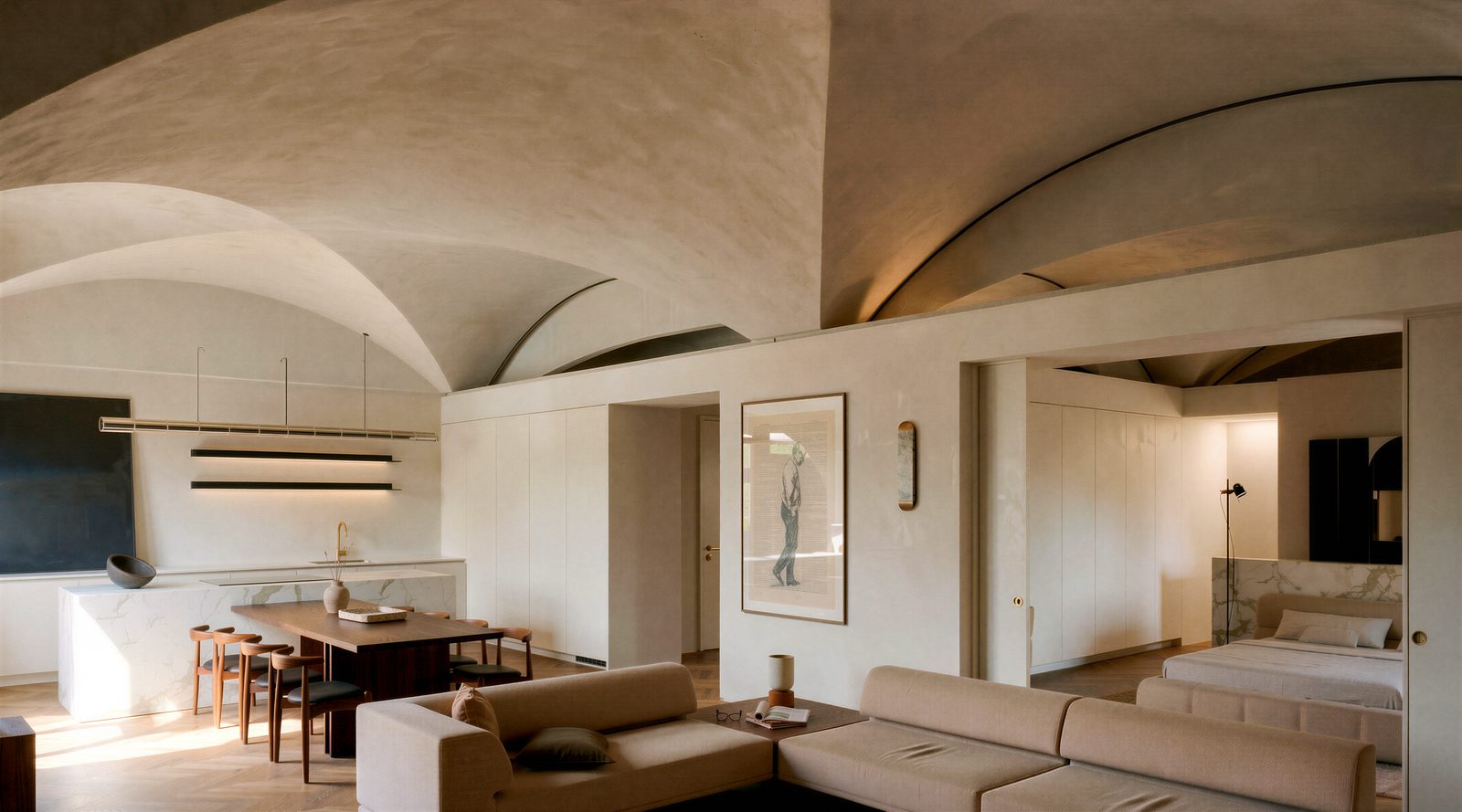
Nieuw Architects is a seven-person practice working across luxury residential, hospitality and commercial projects. The process starts by hand, moves into Revit, and produces basic Twinmotion renders before anything is presented.
Gendo now sits at the end of that chain. Every basic image goes through it, and material moodboards are built on the canvas alongside the visuals.
"I run all my basic images through Gendo and also create material moodboards on it."
— Jankel Nieuwoudt, Architect
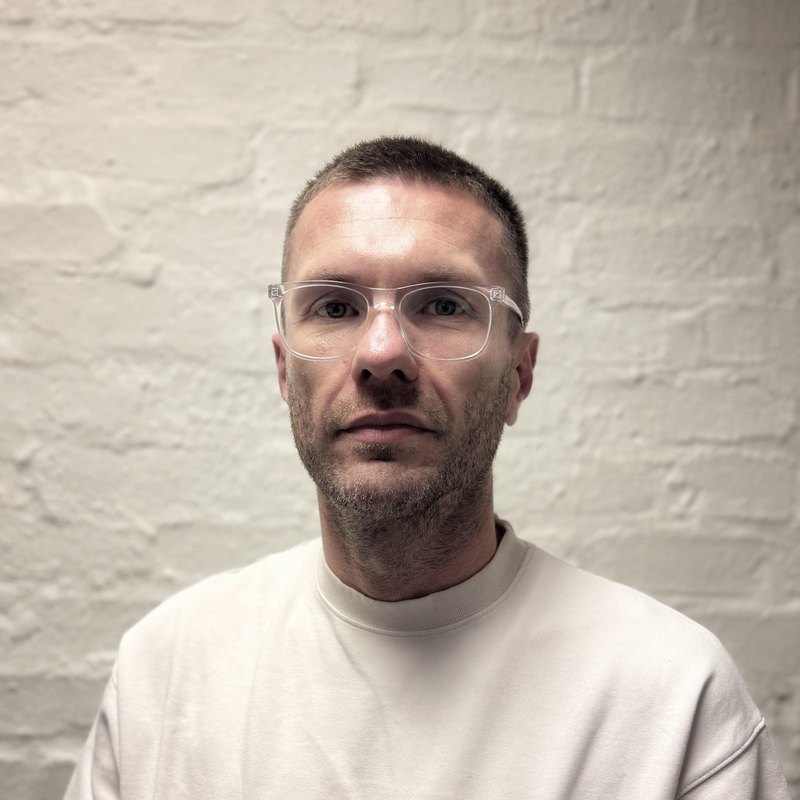
Meet Jankel Nieuwoudt
Architect, Nieuw Architects
"I would struggle to share our secret to amazing renders."
Populating a scene was where the time went
The practice's main constraint was the time it takes to populate a scene convincingly enough to read as real. Under normal industry deadlines that work is the first thing cut.
The consequence was straightforward and unwelcome: images that were simply poor, on projects where the design deserved better.
Quality that survives the deadline
Rather than lengthening the visualisation stage, the practice shortened it. Basic Twinmotion output goes into Gendo, where material realism and scene population are resolved without returning to the model.
"Due to industry time constraints the quality of images were just poor. It definitely 5x'd my workflow."
Jankel Nieuwoudt, Architect
Material realism as the biggest single gain
Asked where the tool helps most, the practice names material realism directly. On luxury residential in particular, the credibility of a finish is the difference between a scheme reading as designed and reading as provisional.
Moodboards built on the same canvas keep those decisions attached to the images they justify.
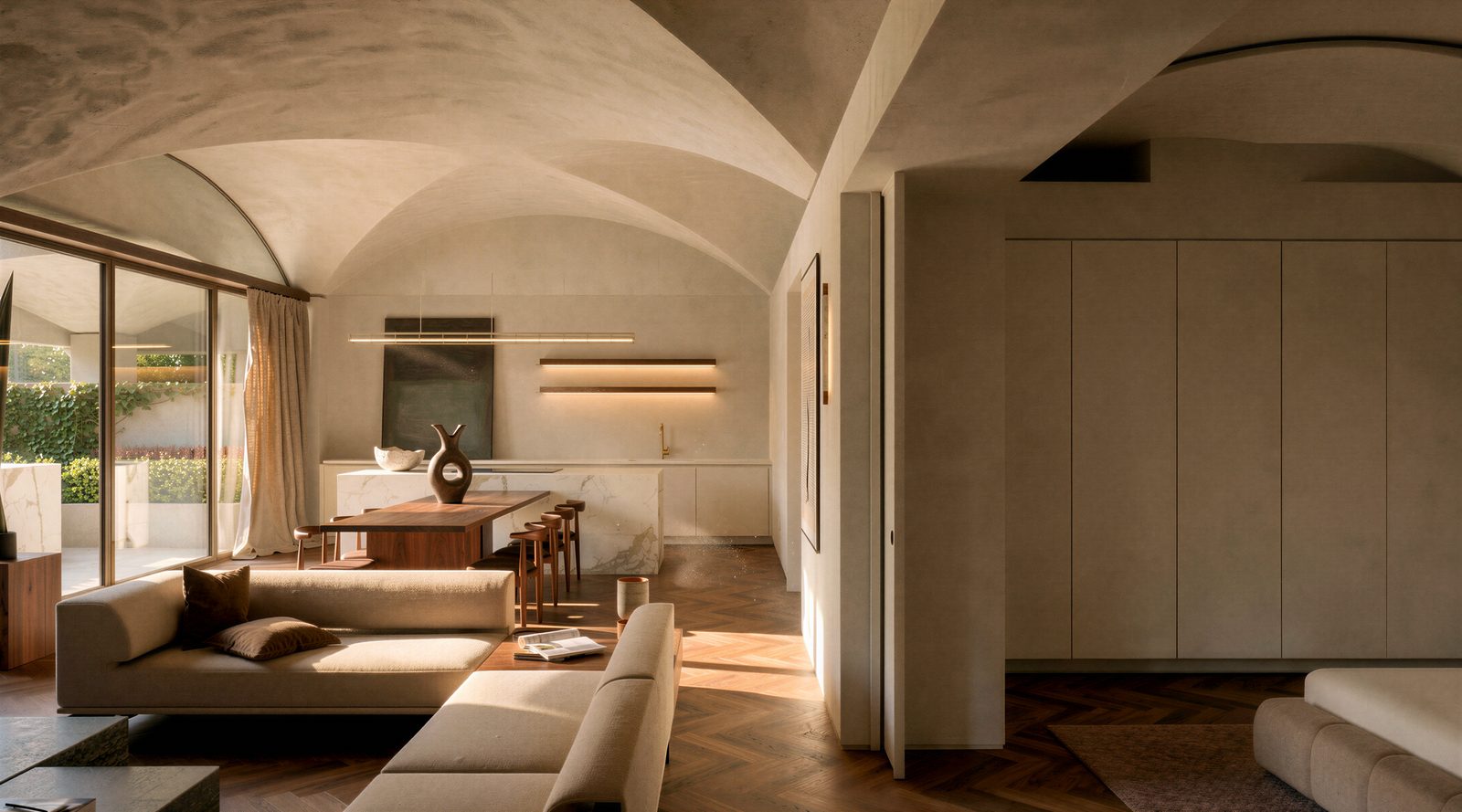
Adopted across the whole studio
The practice reports uniform take-up: everybody in the studio uses it. Because the tool sits after the Revit and Twinmotion steps rather than replacing them, nothing about the design process had to be renegotiated.
Design decisions are still made before Gendo is opened — the tool is for presentation quality, not for deciding the scheme.
The Impact: Speed clients notice
Clients have responded to the pace as much as the quality: the practice reports consistent surprise at how quickly work of this standard now appears.
Key Outcomes
Reported speed across image production
The slowest step no longer sets the ceiling
Built on the same canvas as the visuals
Adopted by the full seven-person team
Impressed by the turnaround
The consistent client reaction is to the combination of speed and quality together, rather than to either on its own.
The practice is candid about how it feels internally: the results are good enough that it would rather not explain how they are produced.
"I would struggle to share our secret to amazing renders."
Jankel Nieuwoudt
Architect, Nieuw Architects