Atmosphere Without Touching the Geometry
How a concept designer working across retail, residential and workplace projects uses Gendo to take untextured massing models to presentation-ready imagery while the architecture stays exactly as drawn.
Minutes
From grey model to presentable image
Geometry held
Form and proportion left undistorted
Retail, interiors, workplace
Concept design across sectors
Odin Design Studio
Team Size
Independent studio
Discipline
Concept design, architecture and interiors
Sectors
Retail, residential, workplace
Location
Türkiye
Odin Design Studio is a concept design practice working across retail, residential and workplace interiors, taking projects from early massing through to the imagery used to explain them.
Models are built and resolved as untextured geometry first. Gendo is used at the point where that geometry needs to become an image a client can read, rather than as a substitute for the design work itself.
"The form is already decided in the model. What I need is the atmosphere around it, and that used to be the slowest part of the job."
— Onur Dinler, Concept Designer
Meet Onur Dinler
Concept Designer, Odin Design Studio
"Even dedicating just 5 minutes to it will be one of the most enjoyable moments of your design career."
The atmosphere took longer than the design
Producing an image with convincing light and material meant moving the model into a full rendering and animation pipeline, setting up scenes and waiting on output before anything could be judged.
For concept work, where the point is to test an idea quickly, that cost was out of proportion to the value. Options went untested simply because there was no time to render them.
Photorealism that respects the model
Gendo is applied directly to the untextured model view. Material palettes, lighting conditions and setting are explored on the image while the underlying geometry is preserved, so the studio can test atmosphere without risking the accuracy of the design it is presenting.
"It gives a photorealistic atmosphere without distorting the geometry. That is the part I could not get elsewhere."
Onur Dinler, Concept Designer
Replacing a rendering and animation pipeline for concept work
Work that previously went through a full rendering and animation package for early-stage imagery now stays in Gendo until the design is settled.
The heavier pipeline is kept for what it is genuinely needed for, rather than being loaded up every time a concept needs to be shown.
One method across very different project types
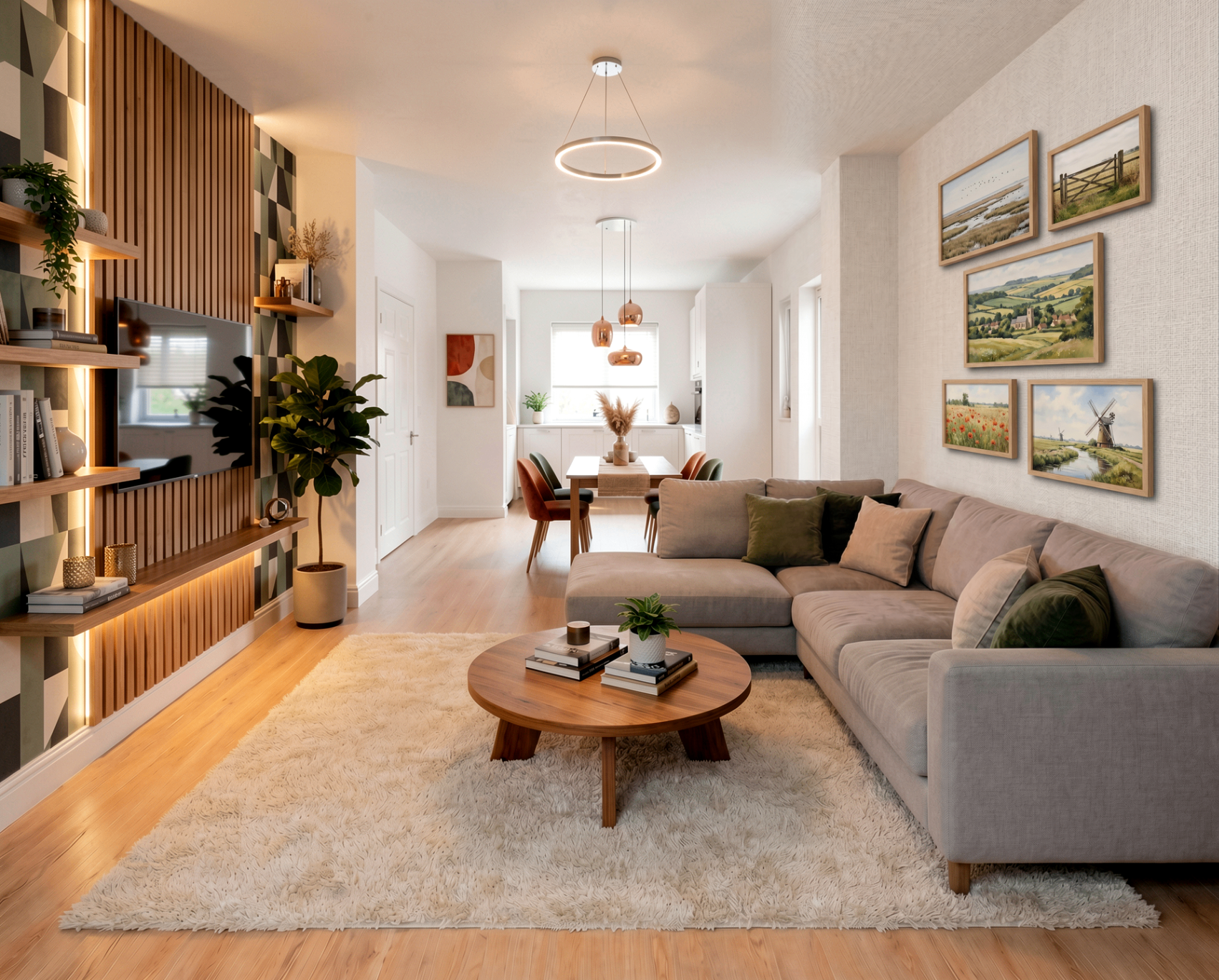
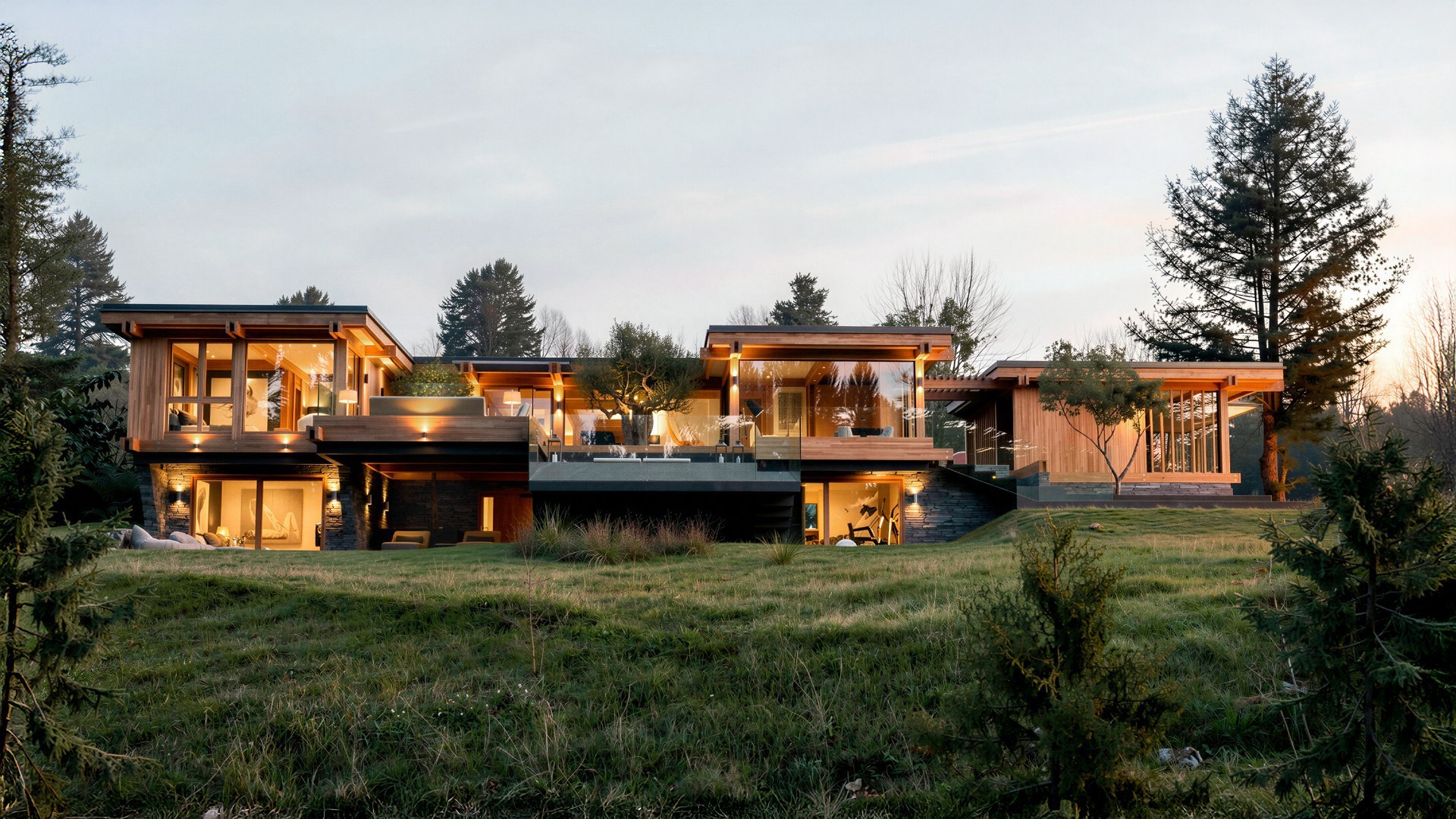
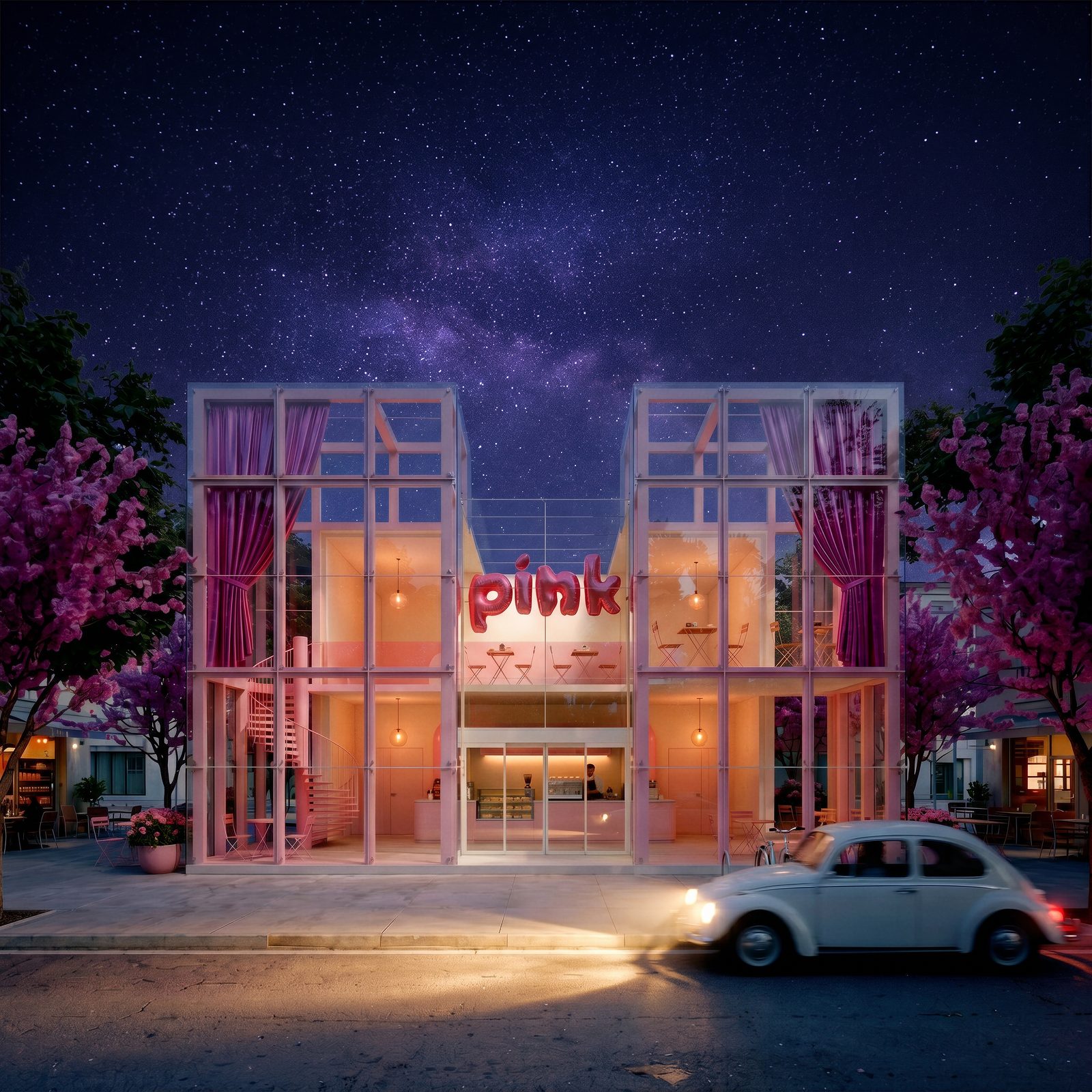
A retail storefront, a sculptural residential atrium and a workplace interior are three different problems, but the input is the same in each case: a resolved grey model and a clear description of the intended atmosphere.
That consistency means the studio does not maintain a separate visualisation approach per sector.
Before & After
Drag to compare the transformation
A clean, untextured model that communicates form and proportion but nothing about material, light or time of day.
The same model with material, lighting and setting resolved. The openings, the frame and the section are unchanged.
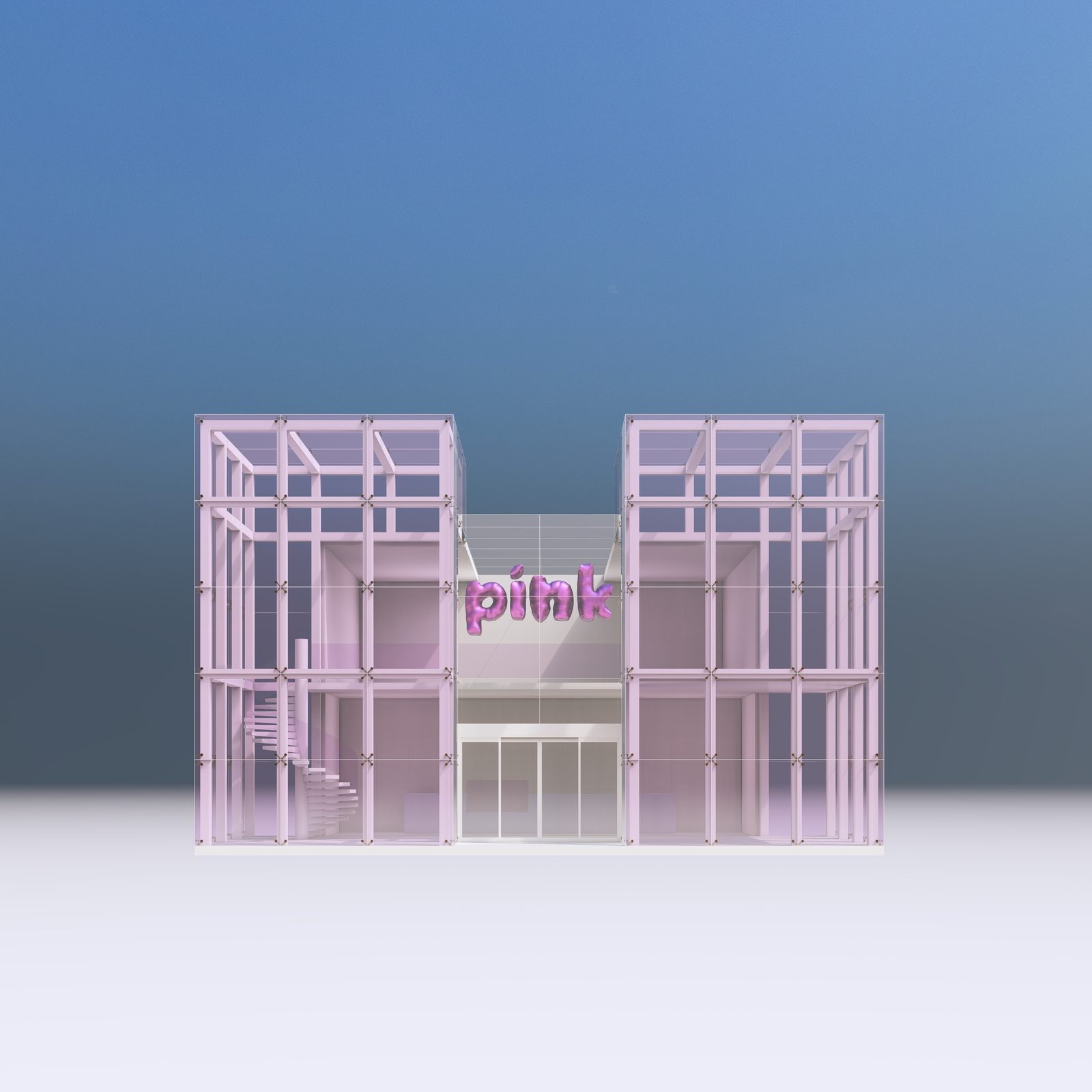
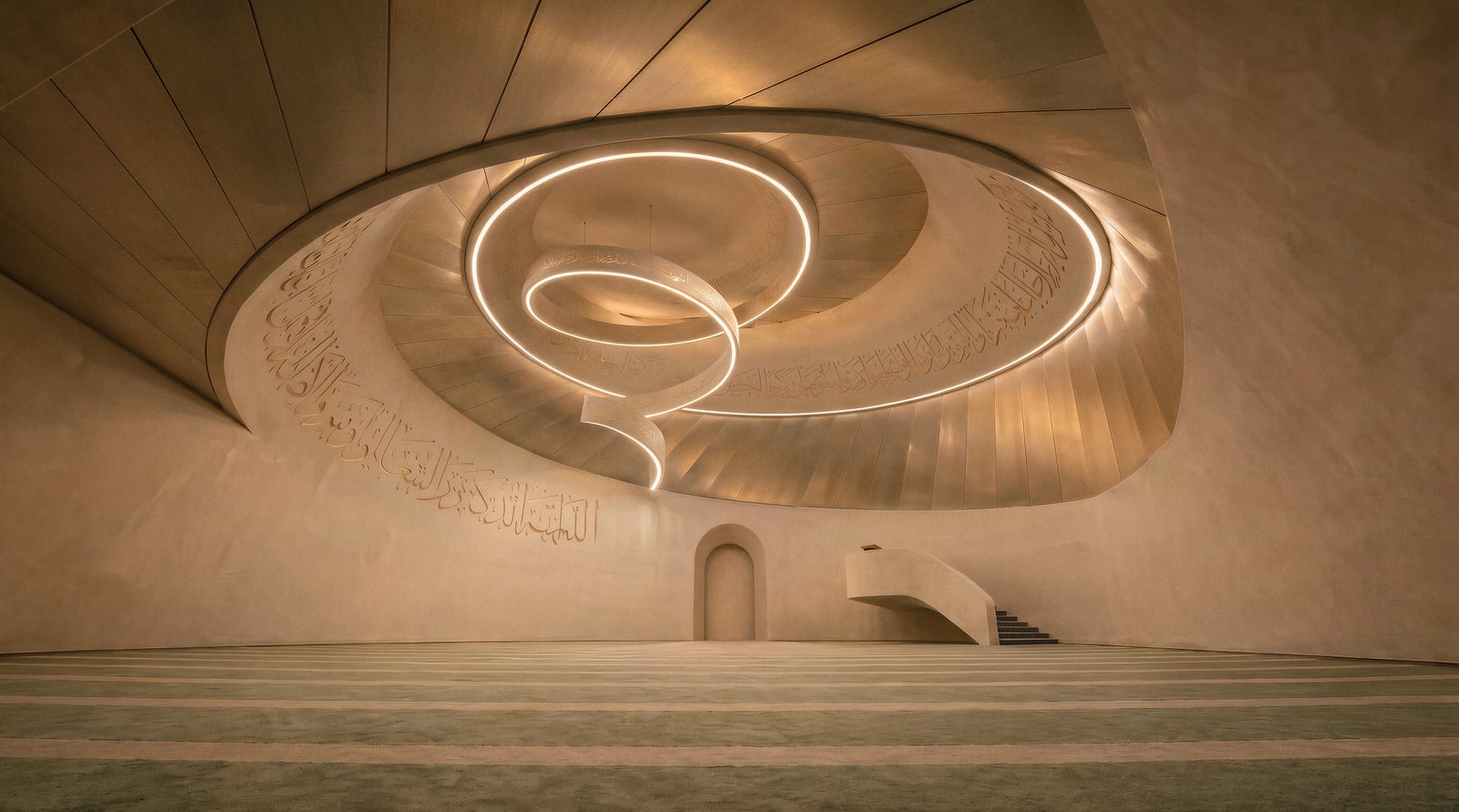
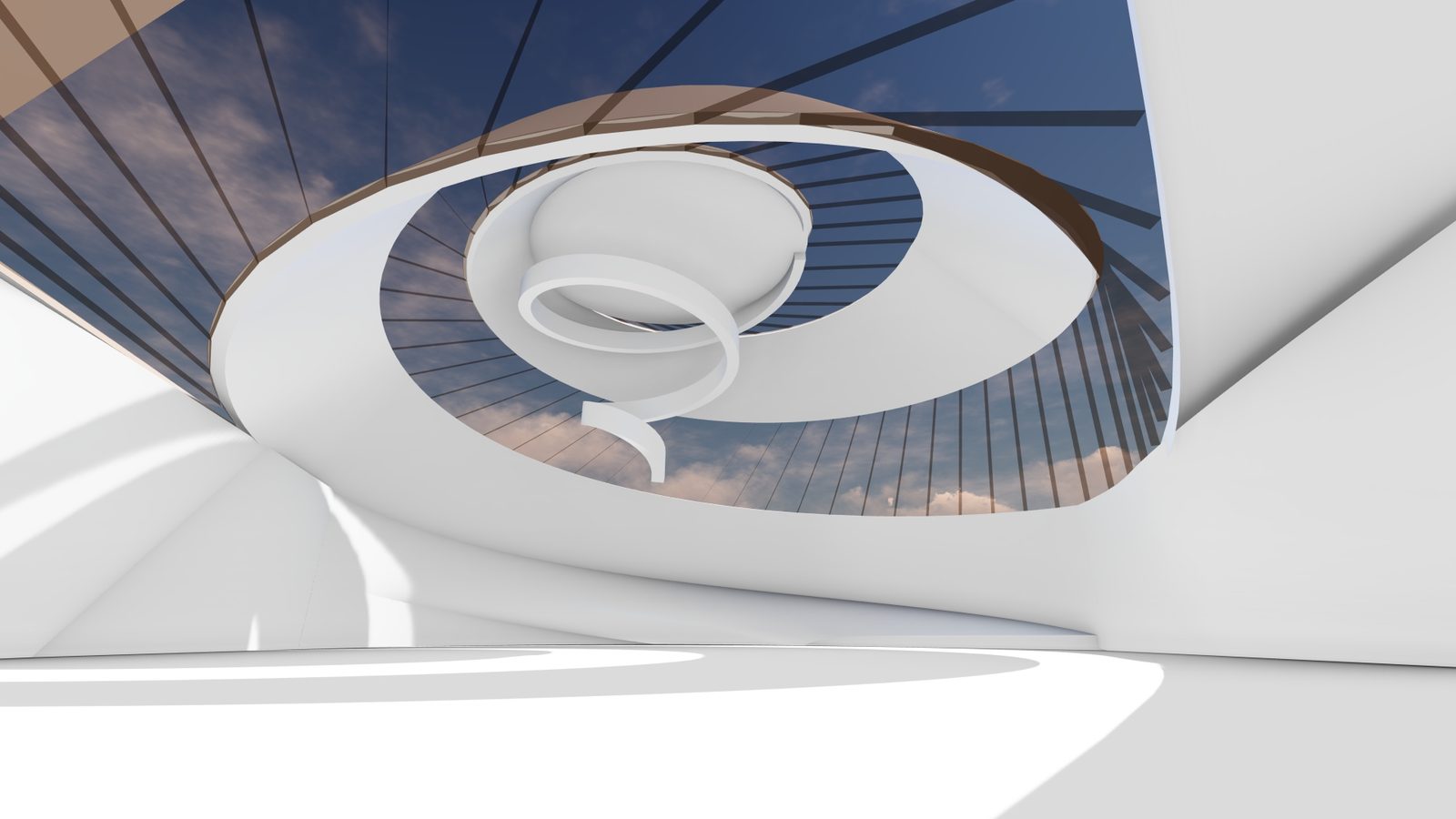
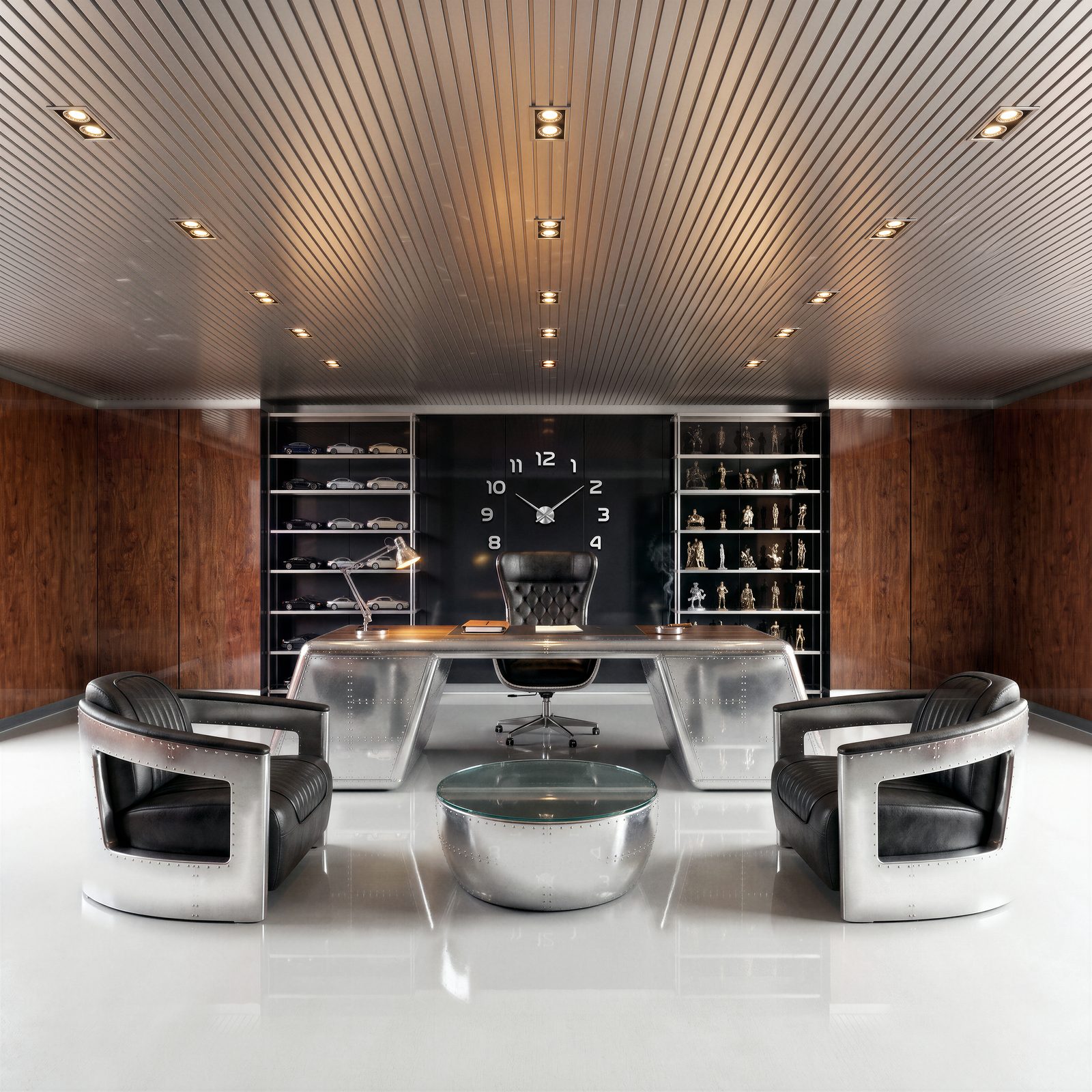
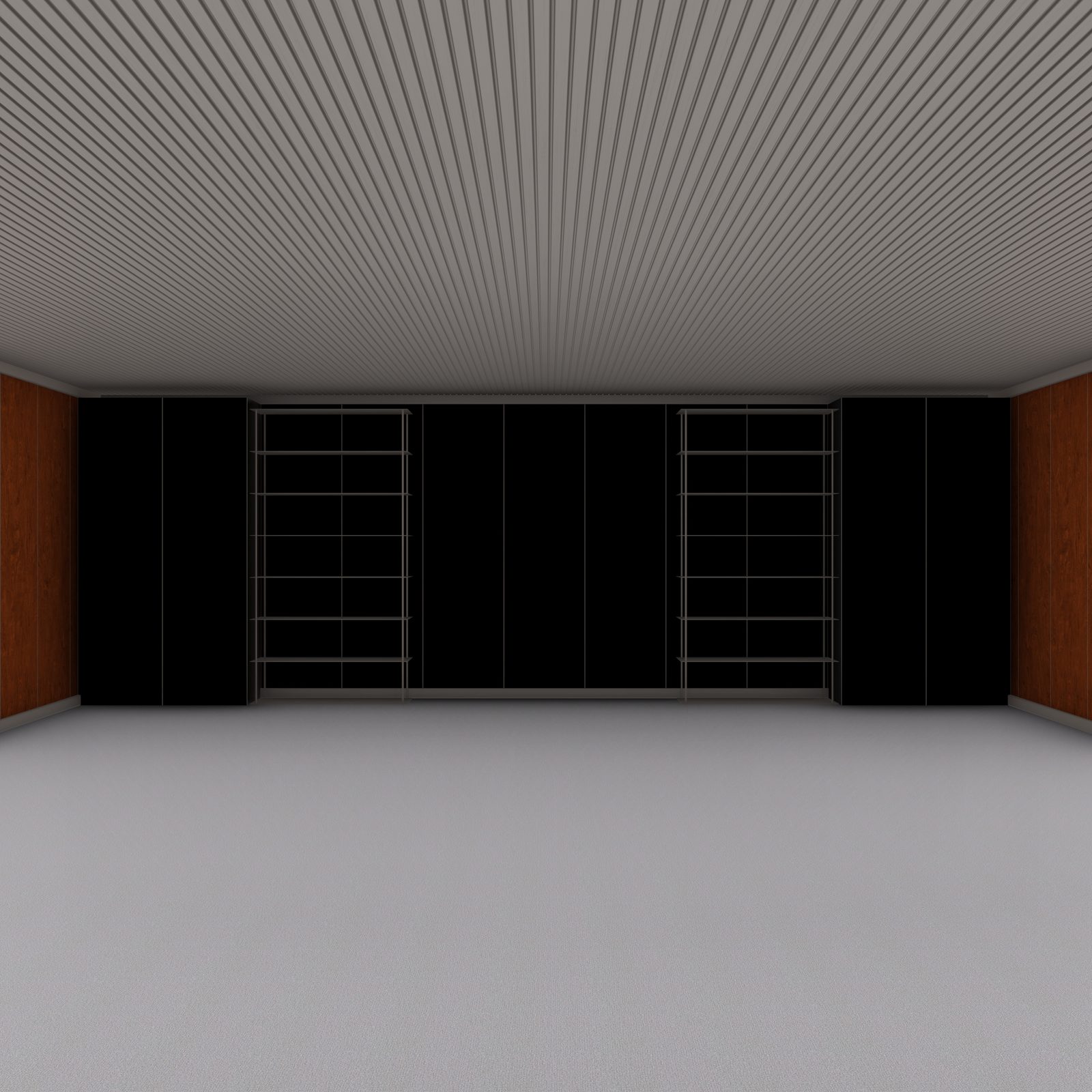
The Impact: More ideas shown, none of them compromised
The practical effect is that concept imagery is produced in the same session as the concept itself, and more directions reach the client because producing them no longer carries a rendering cost.
Key Outcomes
Imagery produced while the idea is still live
Proportion and detail carried through untouched
Alternative palettes and lighting tried freely
Heavy rendering reserved for later stages
Imagery that reads as a finished place
Clients respond to the atmosphere: the quality of light, the material and the sense of the space being occupied rather than modelled.
Because the geometry is unchanged between the model and the image, what is approved in the presentation is what has actually been designed.
"Even dedicating just 5 minutes to it will be one of the most enjoyable moments of your design career."
Onur Dinler
Concept Designer, Odin Design Studio