Output That Keeps Up With the Ideas
How an experimental Danish practice uses Gendo to get material-led, slightly brutalist ideas out of the head and onto the table fast enough to test them properly.
10x
More output at the same drawing time
Rapid
Material testing on live ideas
Studio-wide
Adopted beyond the founder's own work

ro01.studio
Team Size
Independent studio
Practice
Experimental architecture and intervention
Scope
Urban, housing, transformation, furniture
Location
Denmark
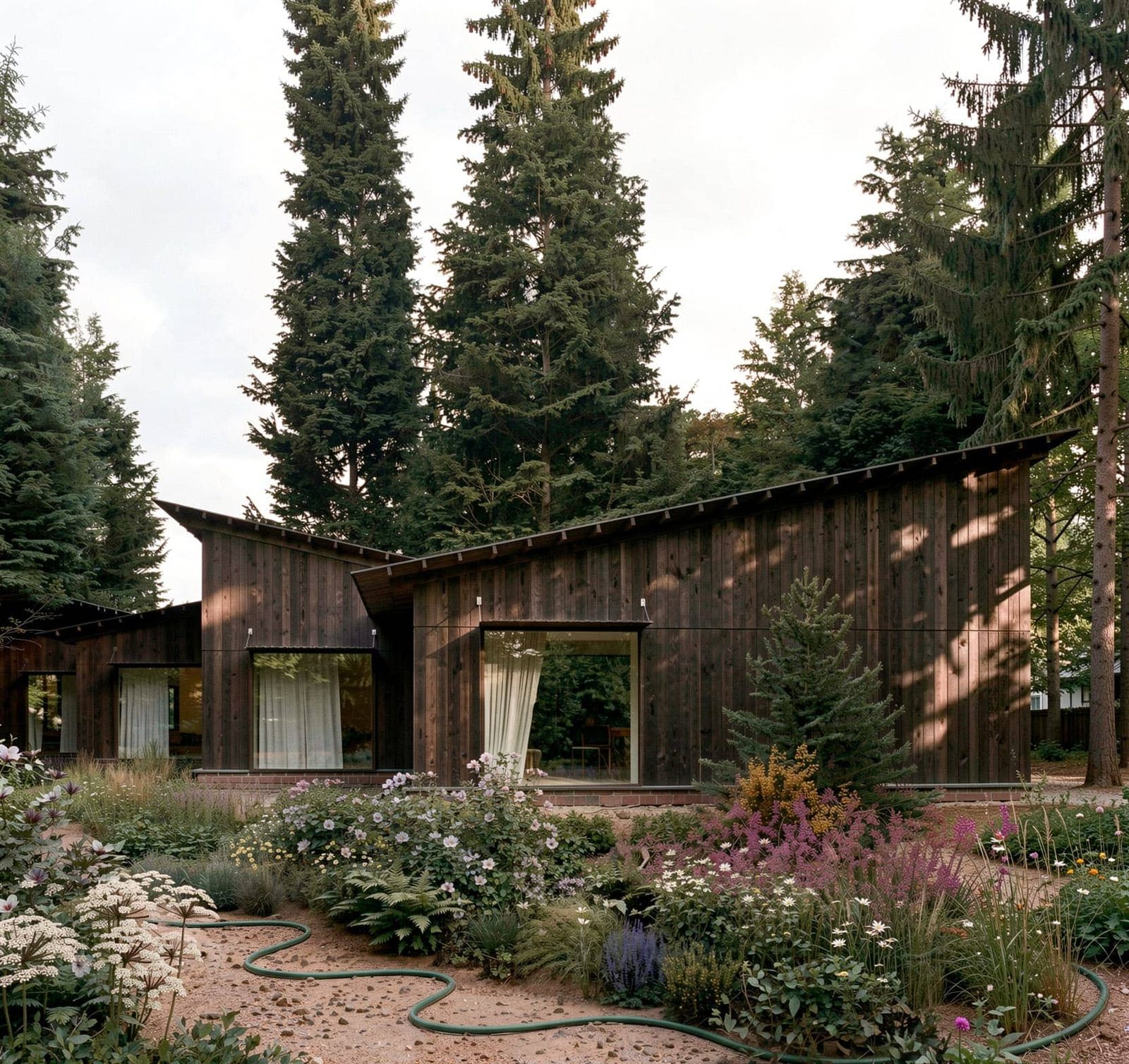
ro01.studio is an experimental practice working at the scale of intervention: urban gestures, single houses, transformations and one-off pieces of furniture. Its founder also works within a larger studio, and uses ro01 as the setting where the ideas are pushed hardest.
The studio's stated position is that building at any cost is not the goal. The work exists to experiment, explore and comment on the industry's predetermined aesthetics, the lack of social interest, gentrification, and climate and sustainability more broadly.
"Everything on one whiteboard, exploring different directions visually next to each other on the same piece of paper. It aligned with the way I sketch. It was very natural."
— Thomas Røn, Architect
The image in the head never made it out
The studio's interest in experimental, material-heavy and slightly brutalist work was the hardest thing to communicate. The perfect image existed clearly in the architect's head, but getting it out took too long or arrived too abstract to convince anyone.
The result was that ideas were dismissed before they were understood — written off as impossible, or simply obscure.
A canvas that works the way sketching works
Gendo replaced a stack of tools — Rhino, Enscape, and a chain of separate AI and upscaling apps — that produced good output at an unchanged time cost. Working on a single canvas, directions sit next to each other and can be judged against one another, which matches how the studio already sketches on paper.
"I had landed on a combination of tools and the output was great, but the time spent was as extensive as ever. Then I tried Gendo and haven't looked back."
Thomas Røn, Architect
Same time drawing, far more resolved
The practice is careful about the framing: it is not spending less time. It spends the same amount of time drawing and sketching, but the output now follows the rate at which ideas appear.
The effect is on sharpness rather than hours. Ideas get tested instead of parked.
"Instead of savings I would rather measure it in gains. My output actually follows the rate of ideas popping up in my head. I am 10x more efficient, and my ideas are just so much sharper."
Rapid material testing on experimental work
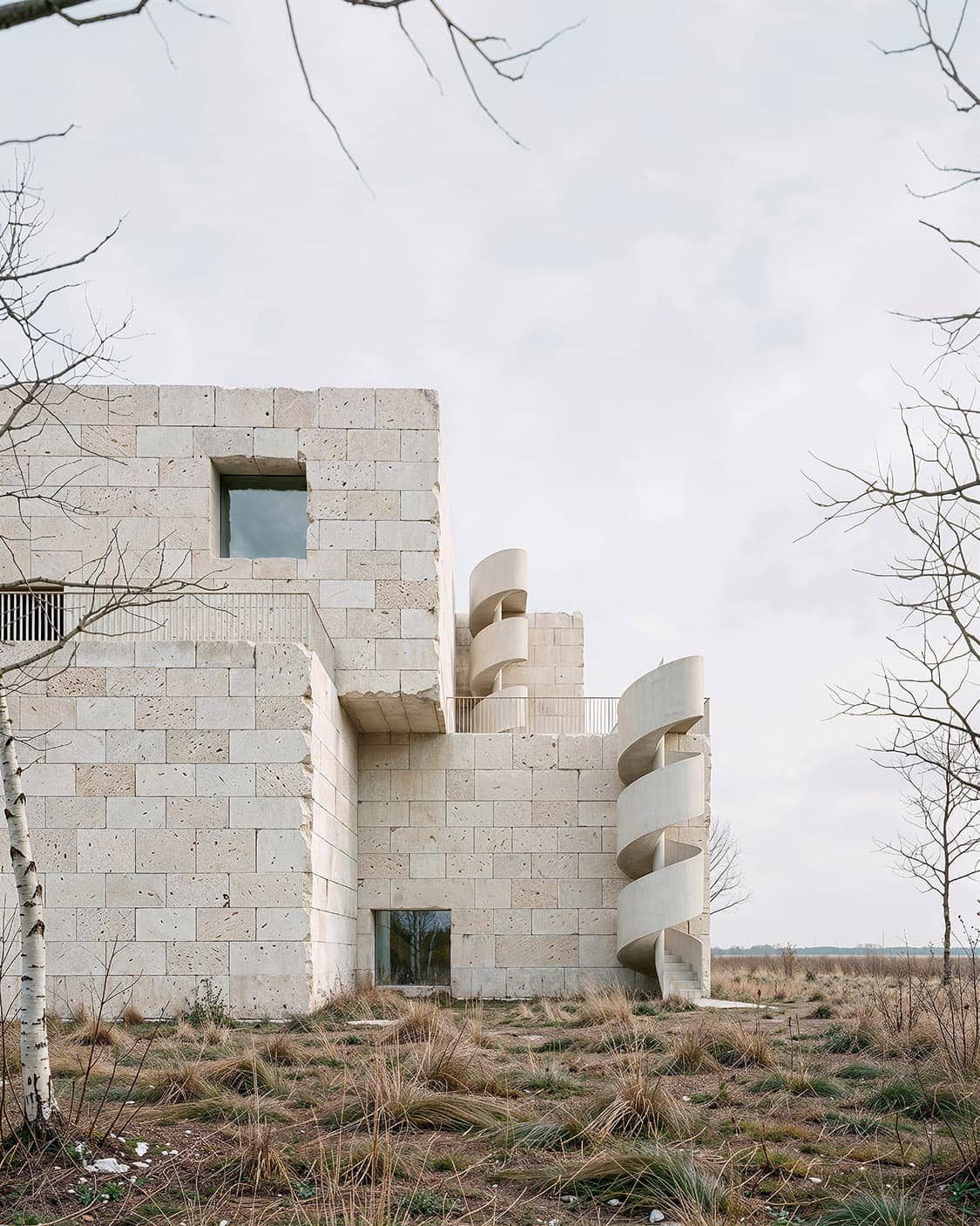
Material is where the studio's design intent lives, and it is the thing Gendo has most changed. Treatments can be tried on a live proposal instead of being described and hoped for.
For a practice built on an experimental, brutalist register, that is the difference between an idea being read as deliberate and being read as unresolved.
Visualisation is still only part of the argument
The studio has not moved to presenting visuals alone. The plan, the section, the pen sketch and the text carry equal weight in explaining a project's qualities.
What has changed is the proportion of presentation time spent making images. Removing that load lifts the quality of the whole project rather than just its cover shot.
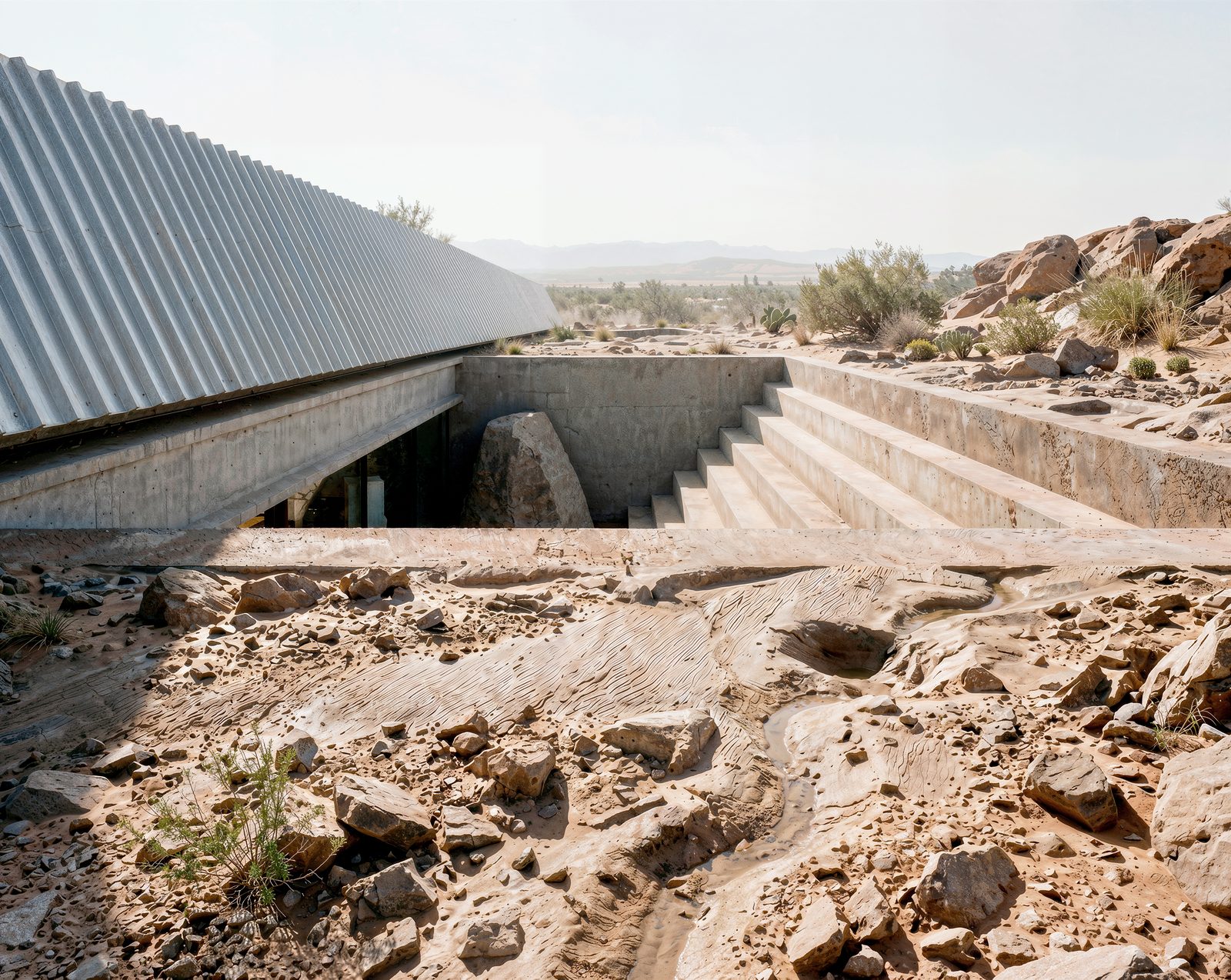
The Impact: Work that reaches the people it needs to reach
The studio measures the outcome in reach and progress rather than in hours: a collaboration with one of Denmark's most profiled young practices, and its own projects approved for a meeting with the city architect.
Key Outcomes
With a leading young Danish studio
Own projects approved to move forward
Palettes judged against each other, not imagined
Picked up by colleagues at the larger practice
Outreach, feedback and the right kind of attention
Measured in outreach and feedback, the response has been substantial. The work now reaches the studios the practice wants to collaborate with, and the name is sticking with them.
The architect attributes a meaningful part of that to the quality of the visuals — not as decoration, but as the thing that lets an unconventional idea be taken seriously.
"Gendo brings such a huge quality and speed to architectural visualisation that it stops being purely about presentation and more about actually testing, experimenting, progressing and ultimately creating the best possible project."
Thomas Røn
Architect, ro01.studio