The Canvas Became the Studio's Shared Office
How SAQALA.STUDIO moved its team onto one board, cut render time out of submissions, and used massing plus references to win a client over to a radical design direction.
One board
Whole team working in the same place
Faster
Submissions no longer wait on render time
Wider
Hiring pool for visualisation roles

SAQALA.STUDIO
Discipline
Architecture, public realm and interiors
Way of working
Whole team on a shared canvas
Replaced
Hours of material and lighting fixes in Lumion
SAQALA.STUDIO is an architecture practice working across masterplanning, public realm and interiors. The team works collaboratively on shared projects rather than passing files between individuals.
Selim Elleithy founded the studio and came to Gendo after following Ismail Seleit's work, on the basis that a tool producing that standard of imagery was worth adopting properly rather than testing at the edges.
"The board is amazing and allows us to work together consistently. Each of us logs our work in at a different stage."
— Selim Elleithy
Inside the studio's canvas
The shared board SAQALA.STUDIO works from, with the team logging work in at different stages.

Meet Selim Elleithy
Founder, SAQALA.STUDIO
"If you work in a team, the canvas is your new office."
A team that needed one place to work
The studio's difficulty was not producing a single image, it was getting the whole team working with AI in a way that held together. Individuals were at different stages of the same project and needed to pick up from one another without losing the thread.
On the production side, presentation imagery meant hours in Lumion fixing materials, lighting and shadows before anything could be sent to a client.
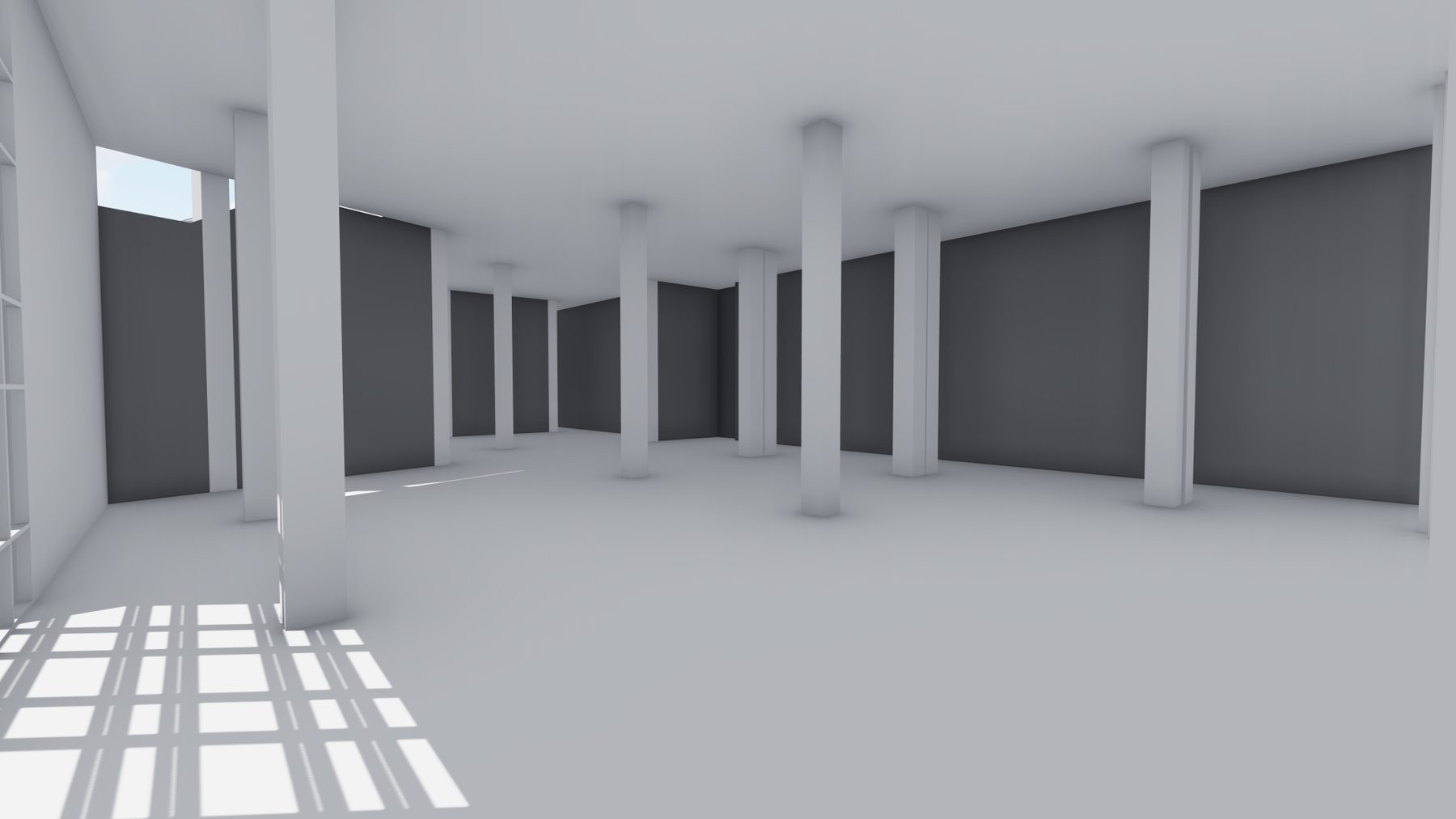
Empty masses, linked to references
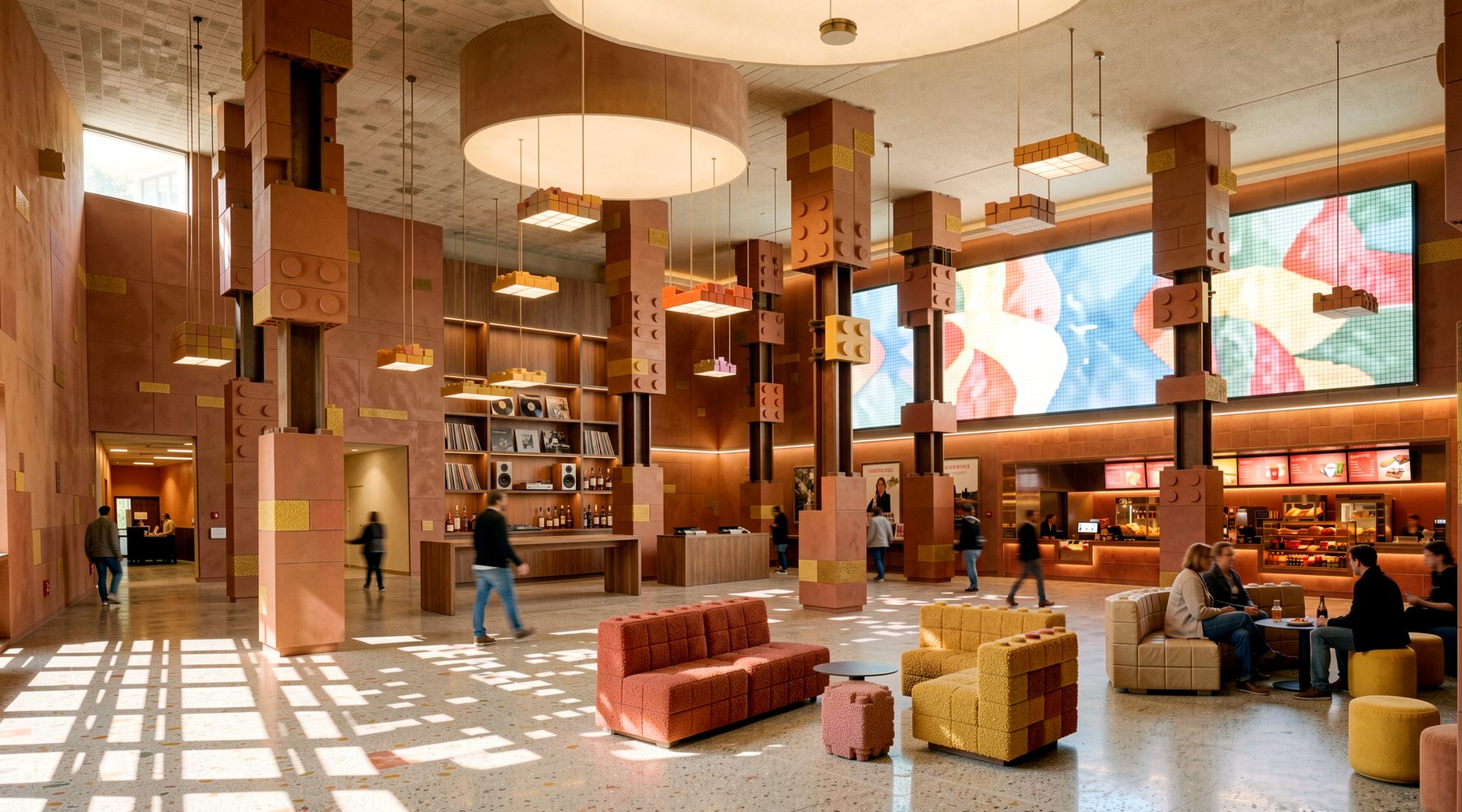
The studio's method starts with untextured massing and a mood board. Placing the masses and linking them to references produces imagery early enough to shape the direction of a project rather than just illustrate a decision already made.
"We were able to convince a client of a radical design direction based on the renders we made by placing empty masses and linking them to references from our mood board."
Selim Elleithy, Founder
Organising the boards so anyone can pick up the work
The team logs work into the canvas at different stages, and the boards are structured so that whoever comes next can continue from where the last person stopped. That structure is the part the studio has invested in deliberately.
Consistency is still the open challenge. Some of the team default to general-purpose image models because they feel those tools read their prompts more easily, then bring the work back into Gendo. Getting the whole team working the same way on the canvas is the studio's current focus.
"We all love Gendo for its collaborative opportunity. If you work in a team, the canvas is your new office."
Visualisation roles open to more people
The practical effect on the studio has been in hiring. Gendo bridges the gap between design ability and rendering skill, so the visualiser role no longer requires years of modelling and lighting experience.
That widens the pool of people the studio can bring in, and moves the emphasis of the role back towards design judgement.
"We have been able to hire people with less modelling and rendering experience to take on the role of a visualiser, as Gendo bridges that gap."
Before & After
Drag to compare the transformation
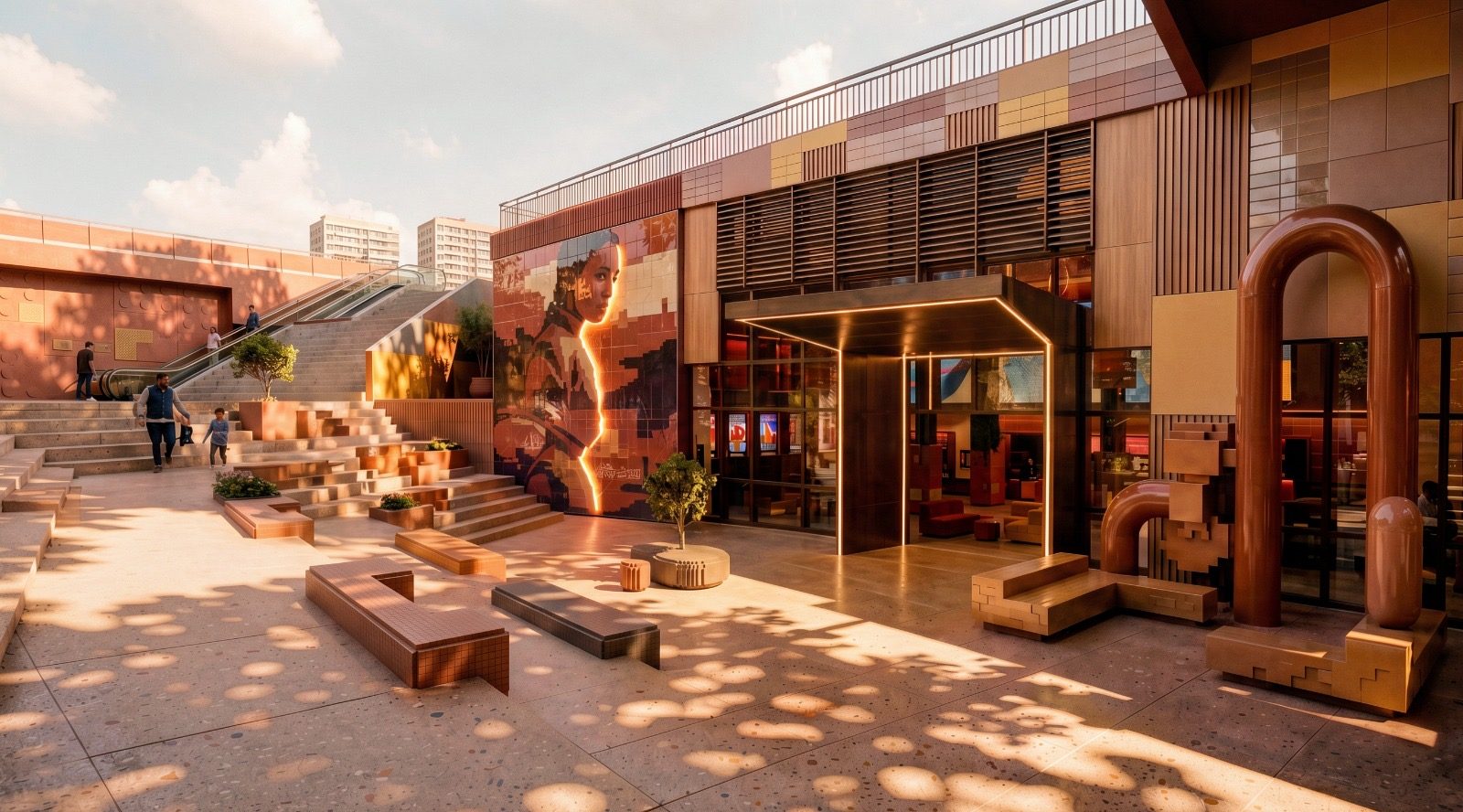
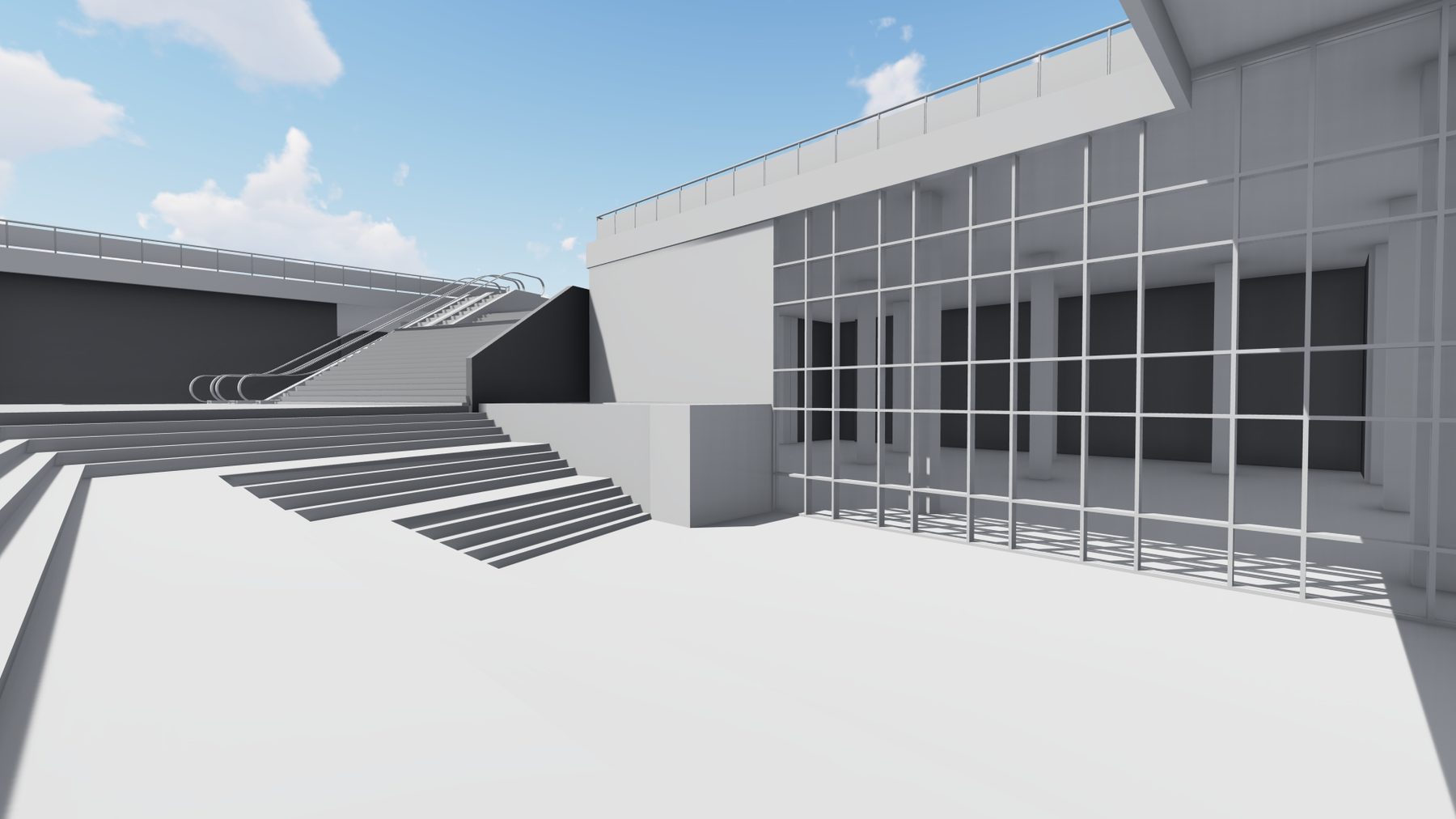
Empty masses carry the layout, circulation and volumes, with nothing decided about material or light.
The same masses linked to mood board references, developed into an image the client can respond to.
The Impact: Submissions that no longer wait on rendering
Render time has come out of the studio's delivery schedule, so submissions reach clients on the timeline the client wants rather than the timeline the render queue allows.
Key Outcomes
No more hours spent correcting materials, lighting and shadows
Render time no longer sets the delivery date
The team works on the same boards across stages
A radical direction agreed from massing and references
Convincing, then verified against the drawings
Client reactions have split. Some were immediately convinced by the imagery, others assumed the work behind it must have been thinner than usual because it arrived so quickly.
That second reaction did not survive contact with the working drawings, which matched the renders. The imagery is a representation of resolved design work, not a substitute for it.
"Some clients were blown away, others were a bit sceptical and thought we had not put in the normal hours. They were sidelined on seeing the working drawings identical to the renders."
"If you work in a team, the canvas is your new office."
Selim Elleithy
Founder, SAQALA.STUDIO